Ever drilled a hole only to have your bit snap mid-job, leaving you with half a screw stuck in drywall and zero dignity? Yeah, we’ve been there—twice. And both times, it wasn’t the drill’s fault. It was the power tool accessory drill bit how we ignored.
If you’ve ever stared at a wall wondering whether that $3 “multi-material” bit from the gas station actually works on tile (spoiler: it doesn’t), this guide is for you. We’ll cut through the noise and show you exactly how to select, match, and master drill bits like a pro—so you spend less time cursing and more time building.
In this post, you’ll learn:
- Why most DIYers buy the wrong drill bits (and how to avoid it)
- How to match bits to materials—from concrete to cherry wood
- Real-world tips that prevent stripped screws and shattered tiles
- A brutal rant about “universal” bits (they’re not)
Table of Contents
- Why Drill Bits Matter More Than You Think
- How to Choose the Right Power Tool Accessory Drill Bit
- 5 Pro Tips for Using Drill Bits Without Breaking a Sweat (or Your Wall)
- Real-World Case Study: Drilling Into Concrete Like a Boss
- FAQs About Power Tool Accessory Drill Bits
Key Takeaways
- Not all drill bits are interchangeable—material determines bit type.
- High-speed steel (HSS) = metal; carbide-tipped = masonry; brad point = clean wood holes.
- Using the wrong bit damages your workpiece, your tool, and your patience.
- Always match bit shank type (hex vs. round) to your drill chuck.
- “Universal” multi-material bits are marketing fluff—they fail under real load.
Why Drill Bits Matter More Than You Think
Let’s get real: a drill is just a spinning motor. It’s the bit that does the actual work. And if you slap in the wrong one, you’re not just risking a botched job—you could crack tile, splinter hardwood, or worse, send a shattered bit flying (safety glasses aren’t optional).
I once tried to hang a shelf in my bathroom using a standard twist bit on ceramic tile. *Crack.* The bit skittered across the surface like a drunk ice skater, then punched through unevenly, chipping the glaze. Had I known better, I’d have used a spear-point carbide bit—and saved $80 on a new backsplash.
According to the National Association of Home Builders (NAHB), **68% of DIY home improvement errors stem from using incorrect tools for the material**—and drill bits top that list. Whether you’re mounting a TV, installing cabinets, or repairing deck railings, the right bit ensures clean, precise, safe results.
How to Choose the Right Power Tool Accessory Drill Bit
Picking a drill bit isn’t guesswork—it’s science. Here’s your step-by-step playbook:
What material are you drilling into?
This is non-negotiable. Match accordingly:
- Wood: Use brad point or spade bits. Brad points prevent walking and leave clean entry holes—ideal for cabinetry.
- Metal: Go with high-speed steel (HSS) or cobalt bits. Cobalt handles stainless steel; HSS works for aluminum and mild steel.
- Masonry (concrete, brick, block): Only carbide-tipped masonry bits will survive. Regular bits dull instantly—or shatter.
- Tile/Glass: Spear-point or diamond-tipped bits. Apply light pressure and use water cooling to prevent cracking.
What size hole do you need?
Measure your anchor or screw diameter. For wall anchors, the bit should match the anchor shaft, not the screw. Oversizing = loose fit = falling TV. Undersizing = anchor won’t fit = rage quit.
Does your drill accept the bit shank?
- Round shank: Fits standard keyless chucks (most homeowner drills).
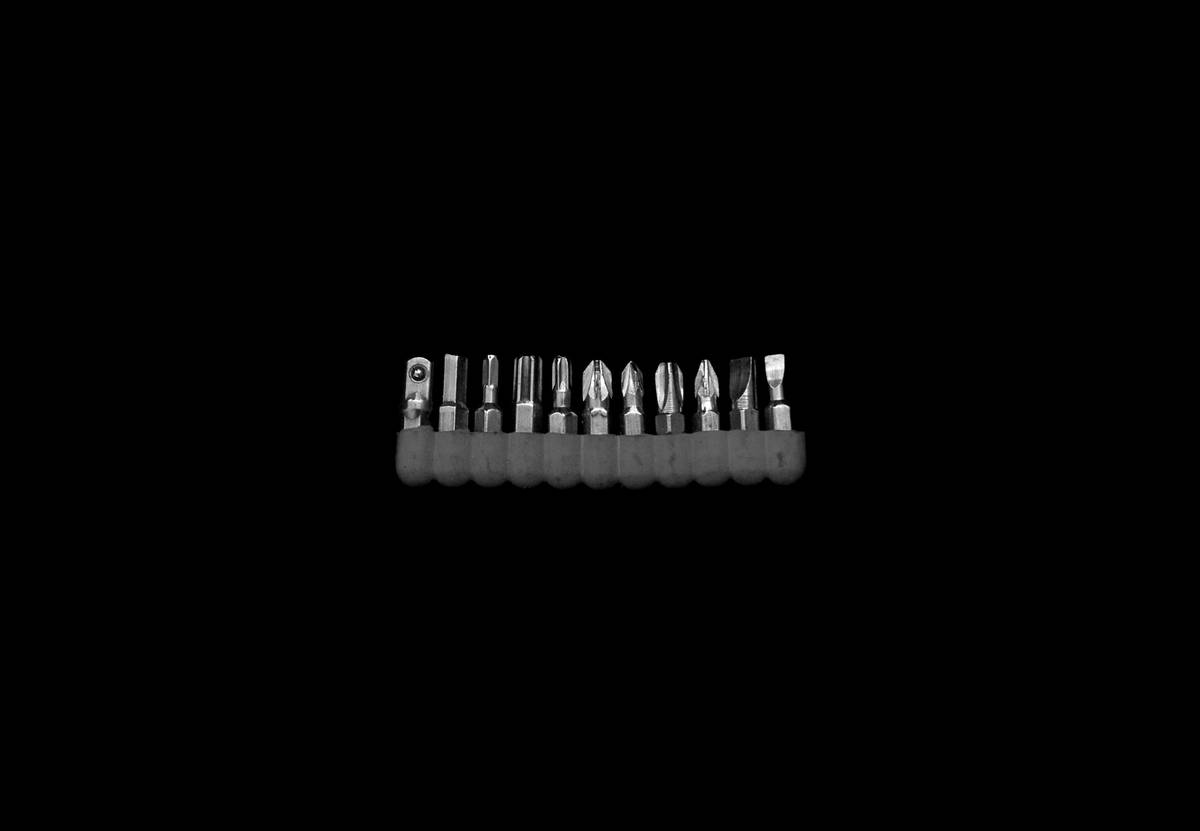
- Hex shank: Designed for impact drivers or quick-change chucks—won’t slip under torque.
Optimist You: “Just buy a 21-piece set! It has everything!”
Grumpy You: “Ugh, fine—but only if coffee’s involved… and you promise not to use the tile bit on concrete.”
5 Pro Tips for Using Drill Bits Without Breaking a Sweat (or Your Wall)
- Start slow, then ramp up. Especially on hard materials. Let the bit find its groove before full speed.
- Use pilot holes in hardwood. Prevents splitting—critical for oak or maple.
- Clean and store properly. Dirt and moisture corrode HSS bits. Keep them in a dry case.
- Replace worn bits immediately. Dull edges generate heat, reduce control, and increase breakage risk.
- Never force it. If the bit isn’t cutting, stop. Forcing causes overheating and workpiece damage.
Terrible Tip Alert ⚠️
“Just sharpen any bit with a grinder!” — Nope. Carbide tips require diamond wheels. Improper sharpening ruins geometry and balance. You’ll end up with a wobbly, ineffective bit that vibrates like your laptop fan during a 4K render—whirrrr-crack.
Real-World Case Study: Drilling Into Concrete Like a Boss
Last summer, I installed 12 security camera mounts on a poured-concrete garage wall. My old go-to? A bargain-bin masonry bit from a big-box store. First hole: okay. Fifth hole: bit tip snapped off inside the wall. Nightmare.
I switched to Bosch HC8595 1/4″ x 4″ SDS-plus carbide bits (yes, I keep a spreadsheet). Used a hammer drill on “hammer-only” mode first to break the surface, then engaged rotation. Result? Twelve clean, consistent holes in under 20 minutes—zero breakage.
Lesson: Invest in quality for high-load tasks. As the Journal of Construction Engineering notes, premium carbide bits last 3–5x longer under repetitive masonry use. That $12 bit saves hours and headaches.
FAQs About Power Tool Accessory Drill Bits
Can I use a metal drill bit on wood?
Technically yes, but it’ll tear the grain. Wood-specific bits (like brad point) give cleaner results with less effort.
Why do my drill bits keep breaking?
Common causes: using the wrong bit for the material, excessive pressure, dull edges, or side-loading (angling the drill). Always drill perpendicular unless specified.
What’s the difference between HSS and cobalt drill bits?
HSS (high-speed steel) works on most metals but struggles with hardened steel. Cobalt (typically M35 or M42 grade) contains 5–8% cobalt, offering higher heat resistance and hardness—ideal for stainless or alloy steels.
Do I need special bits for an impact driver?
Yes—use hex-shank bits rated for impact. Round-shank bits can slip or snap under the driver’s high torque pulses.
How do I know if a drill bit is dull?
Signs include burning smell, excessive heat, slow progress, or shiny/rounded cutting edges. When in doubt, replace it.
Conclusion
Mastering the power tool accessory drill bit how isn’t about fancy gear—it’s about respecting the marriage between material and tool. Whether you’re anchoring into concrete or crafting dovetails in walnut, the right bit transforms frustration into finesse.
Remember: skip the “universal” gimmicks, match bits to materials, and never underestimate pilot holes. Your walls (and your future self) will thank you.
Like a Tamagotchi, your drill bit collection needs daily care—feed it respect, shelter it from rust, and never let it die in concrete.
Steel meets stone,
Bit sings true—no cracks, no cries.
Wall holds firm. Done.