You need a 2-inch hole in plywood. You grab your standard drill bit. It binds. It burns. Maybe it snaps. Frustration mounts—and your project stalls. Here’s the fix: stop forcing small bits to do big jobs. The right approach combines tool selection, technique, and one underused trick most DIYers skip.
Why Standard Drill Bits Fail for Large Holes
Standard twist bits top out around ½ inch. Beyond that, torque demands explode. Your drill fights back—overheating, wandering, or tearing fibers apart. Wood splinters. Metal warps. Plastic melts. And forget concrete; you’ll just polish the surface.
And it’s not just size—it’s geometry. A long, thin shank flexes under pressure. Precision vanishes. You end up with an oval mess instead of a clean circle.
DIY Project Drill Bit Large Hole: The Proven Step-by-Step Method
Forget brute force. Success hinges on matching the right cutting tool to your material—and using pilot holes like a surgeon uses scalpels.
Step 1: Identify Your Material First
Wood? Metal? Tile? Each demands a different bit type. Using a spade bit on stainless steel is a fast track to dull edges and damaged surfaces.
Step 2: Start Small—Then Scale Up
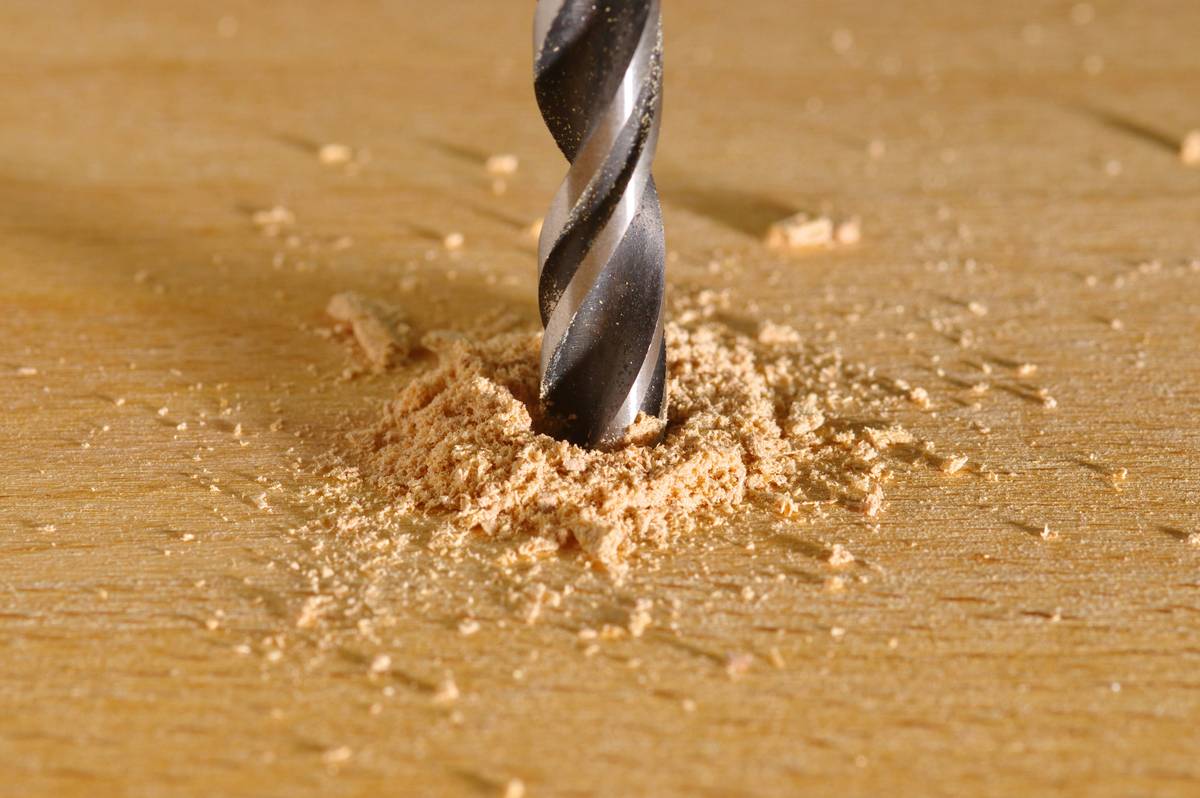
Drill a ¼-inch pilot hole at the center point. This guides larger bits and prevents skidding. Then step up incrementally: ½”, ¾”, etc.—but only if your final hole exceeds 1.5 inches.
Step 3: Choose the Right Large-Hole Tool
For holes between ¾” and 4″: use hole saws. For ultra-clean cuts in thin stock: Forstner bits. For metal or masonry: core drills with coolant.
| Tool Type | Max Hole Size | Best Material | Average Cost (USD) |
|---|---|---|---|
| Spade Bit | 1.5″ | Softwood, Plywood | $5–$12 |
| Hole Saw Kit | 6″ | Wood, Plastic, Thin Metal | $20–$50 |
| Forstner Bit | 2.5″ | Hardwood, Veneers | $15–$40 |
| Diamond Core Drill | 4″ | Tile, Concrete, Glass | $30–$80 |
Step 4: Control Speed and Pressure
High RPM = heat buildup. Low RPM + steady pressure = clean cut. For wood, stay under 1,500 RPM. For metal, go slower—500 RPM max—and use cutting oil.
The Industry Secret: Stack-and-Flip Cutting for Ultra-Clean Edges
Here’s what cabinetmakers won’t tell you: clamp your workpiece between two sacrificial boards. Drill through all three layers. The top board prevents tear-out on entry; the bottom stops blowout on exit. Clean as glass—no sanding needed. The math is simple: spend 30 seconds prepping, save 15 minutes finishing.
But don’t over-tighten clamps. Warped stock = angled holes. Snug—not crushing—is the sweet spot.
FAQ
What’s the largest hole I can drill with a standard drill?
Most cordless drills handle up to 1.5″ with spade bits—but only in soft materials. For bigger holes, use a hole saw and reduce speed.
Can I use a hole saw without a pilot bit?
No. The pilot bit centers the saw and stabilizes rotation. Removing it causes wobble, chatter, and jagged edges—especially in hardwood.
Why does my large drill bit keep wandering?
Because the tip lacks purchase. Always start with a center punch or a 1/8″ pilot hole. This gives the bit a “home” to anchor into before full engagement.