You bought a “wood drill bit.” You drilled. The wood splintered like kindling. Frustrating? Absolutely. And you’re not alone. Most home hobbyists assume any pointed metal stick spinning fast enough will cut clean holes—until they see tear-out, wandering bits, or worse, ruined projects. Here’s the fix: understanding the true drill bit in woodworking definition isn’t about shape alone. It’s about geometry, material science, and knowing which bit matches your grain.
Why Your Drill Bits Keep Ruining Wood Projects
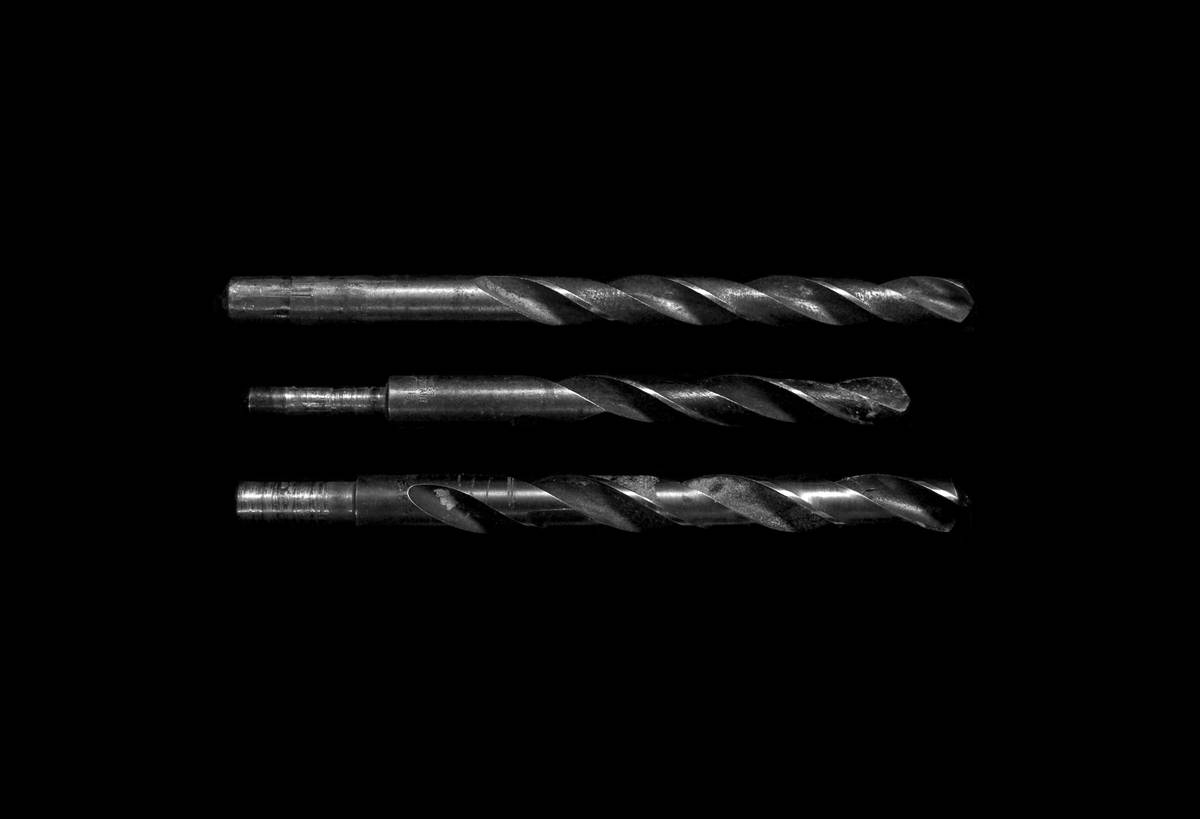
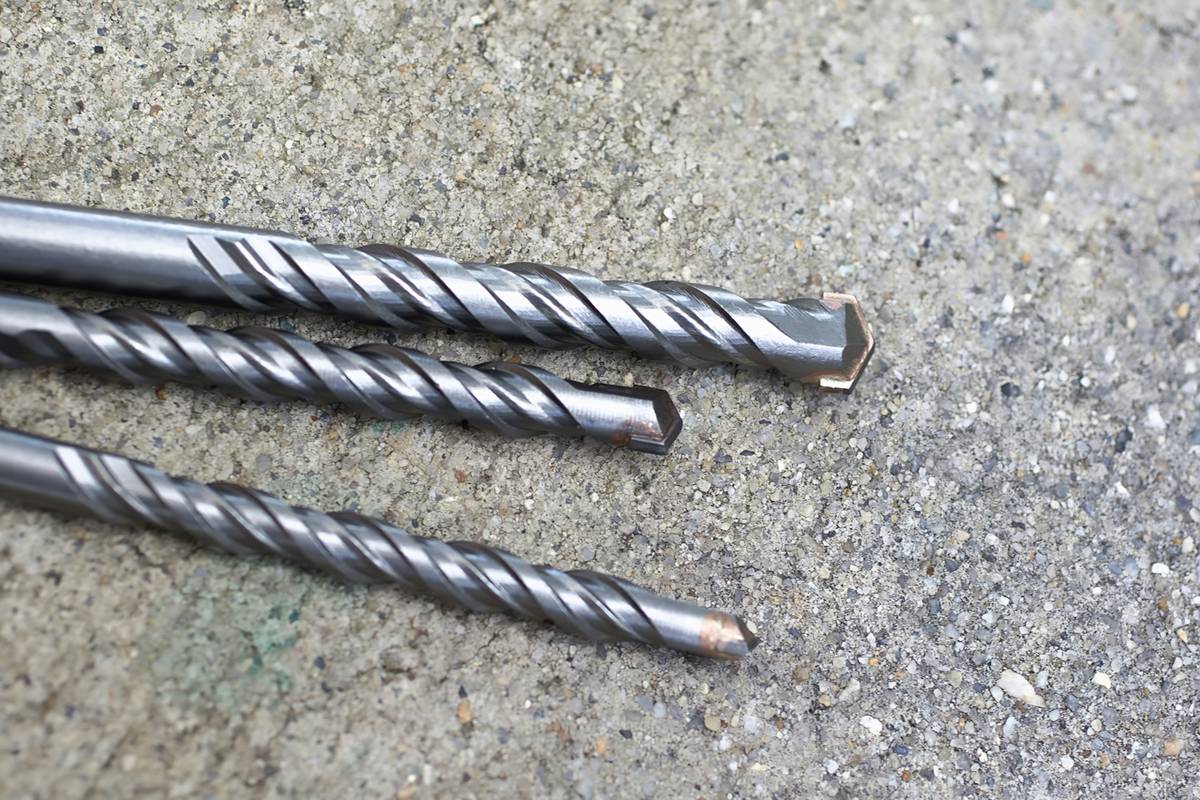
Standard twist bits—those silver spirals sold in 10-packs at big-box stores—are engineered for metal or masonry. Not wood. Their sharp-pointed tips lack a spur or brad that pins the center before cutting. So what happens? The bit skates across the surface, gouging instead of boring. Softwoods like pine forgive little; hardwoods like oak punish every mistake.
And it gets worse. High-speed steel (HSS) bits dull fast on resinous or knotty timber. You compensate by pressing harder—introducing heat, burning the wood, and warping your hole. The math is simple: wrong tool + force = disaster.
How to Choose & Use the Right Drill Bit in Woodworking Definition
Picking the correct bit starts with recognizing three core types built specifically for wood. Each has distinct anatomy that dictates performance.
Brad Point Bits: Precision for Clean Entry Holes
These have a center spur flanked by cutting spurs on the outer edges. They stab the center first, preventing drift. Ideal for cabinetry or furniture joints where surface finish matters. But—they struggle in thick stock or layered materials.
Forstner Bits: Flat-Bottomed Perfection for Hidden Hardware
No pilot point. Instead, a rim scores the perimeter while a center spur guides depth. Result? Glass-smooth walls and flat bottoms—perfect for concealed hinges or inlays. Downside: they demand low RPM and high torque. Cordless drills often choke unless fully charged.
Spade Bits: Speed Over Finish
Cheap, aggressive, and fast. Great for rough framing or drilling through studs. But expect tear-out on exit and jagged edges. Never use these on visible surfaces unless you plan heavy sanding—or don’t care.
| Bit Type | Best For | Hole Quality | Max Depth (Typical) | Cost Range |
|---|---|---|---|---|
| Brad Point | Furniture, fine joinery | Excellent entry, moderate exit | 6 inches | $8–$20 per bit |
| Forstner | Dowel joints, concealed hardware | Superior walls & flat bottom | 4 inches (without extension) | $15–$40 per bit |
| Spade | Rough framing, utility holes | Poor—significant tear-out | 10+ inches | $2–$6 per bit |
The Industry Secret: Grain Direction Dictates Bit Choice—Not Just Material
Here’s what no catalog tells you: drilling with the grain demands different tactics than drilling across it. Against the grain? Even a brad point can cause blowout as fibers separate under stress. Pros tape the exit side—or drill halfway from both sides. Through thick maple? Back the workpiece with scrap to catch tear-out.
But the real hack? Slightly dulling the outer spurs on a brad point bit. Sounds insane—right? Actually, razor-sharp spurs can overcut softwoods, creating micro-chips. A light rub on 400-grit paper tames them. Test it. You’ll see cleaner exits instantly.
FAQ
What defines a drill bit in woodworking?
A drill bit in woodworking is engineered with features like center spurs, outer cutting lips, or rim scoring edges to cleanly sever wood fibers without splintering—unlike general-purpose twist bits.
Can I use metal drill bits on wood?
Technically yes—but expect poor results. Metal bits lack spurs, causing wandering and tear-out. They also run hotter, increasing burn risk in dense woods.
Why does my wood split when drilling?
Splitting happens when fibers are torn instead of cut. Always use a sharp wood-specific bit, clamp backing scrap, and drill at lower speeds with steady pressure—not brute force.