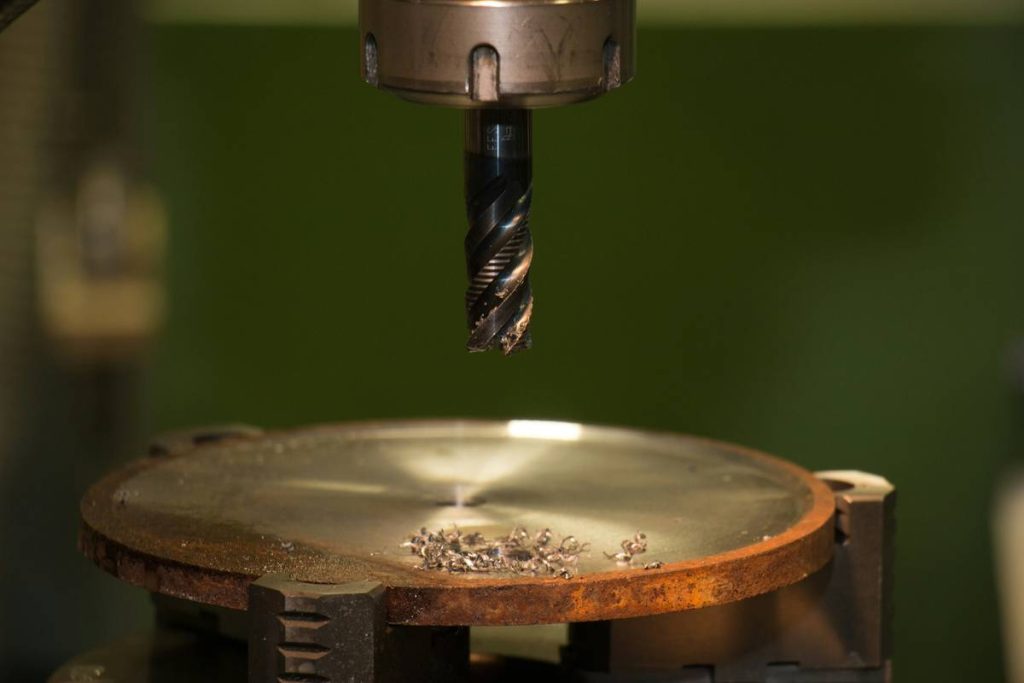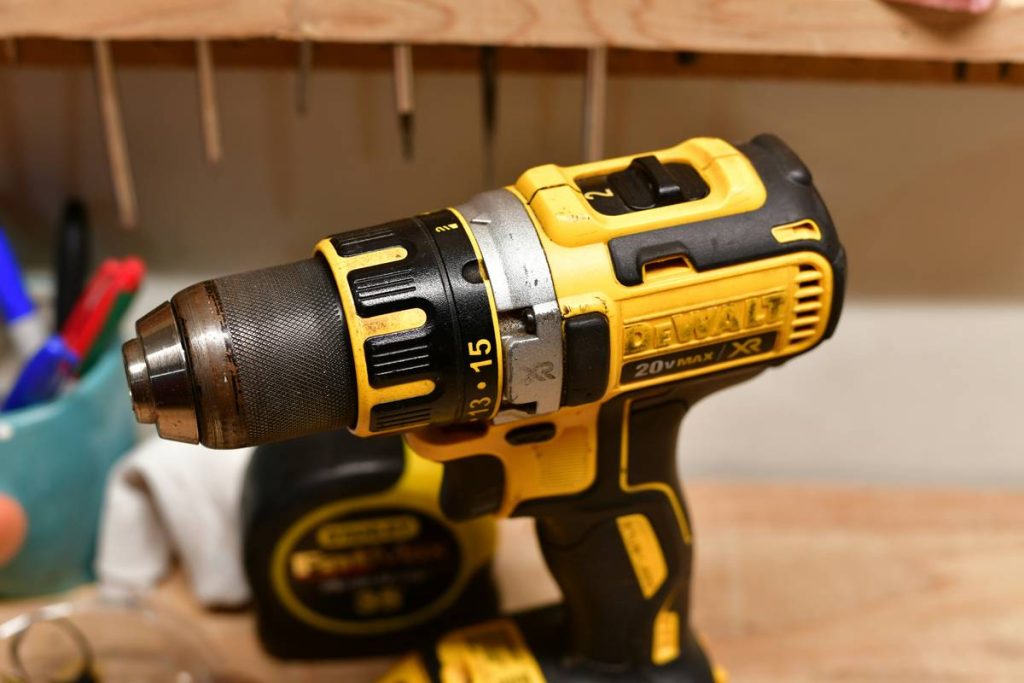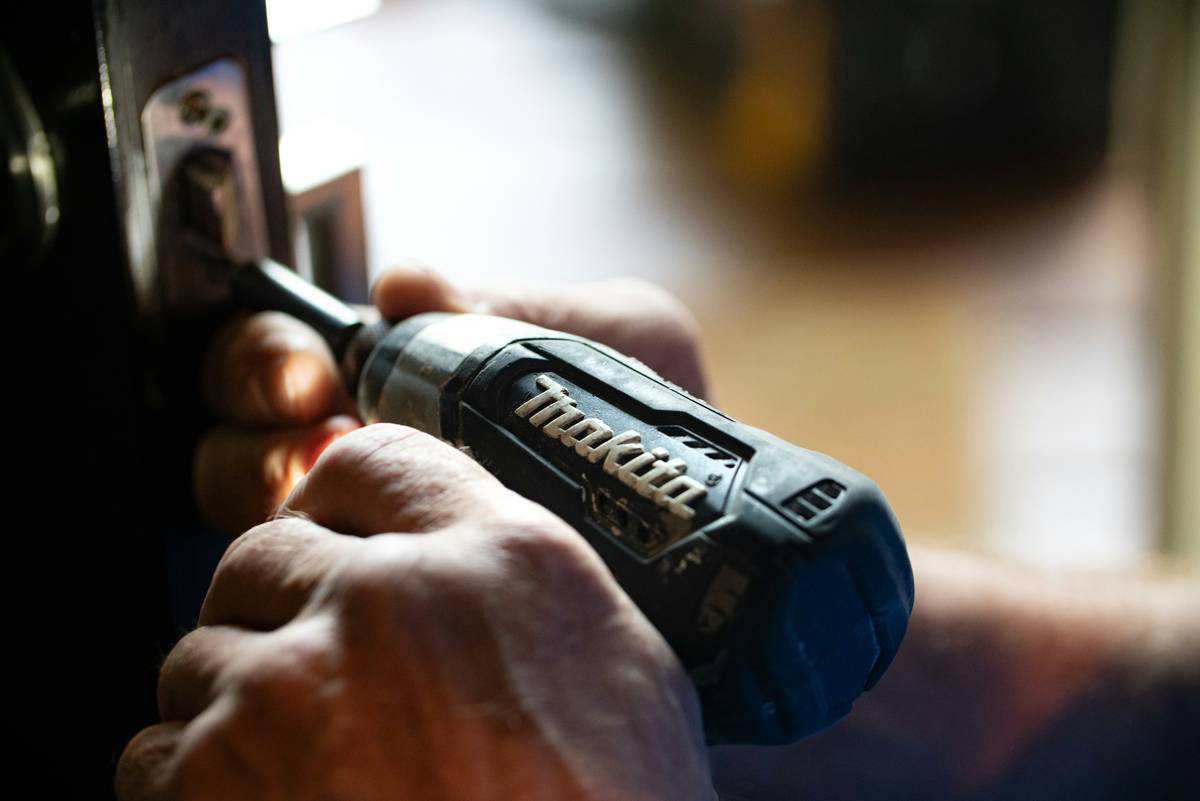
You bought another flimsy drill bit set wrapped in brittle plastic—again. Within weeks, the case cracked, bits rolled under your workbench, and you wasted time hunting for the right size mid-job. It’s frustrating, inefficient, and frankly, expensive. The fix? Invest in a high-quality drill bits in metal case system built for real-world abuse—not store shelves.
The Core Problem: Plastic Cases Fail Where Metal Succeeds
Most big-box stores push cheap drill bit kits in glossy plastic trays. They look neat on display—until you drop them once. Then what? Broken latches, missing labels, corroded tips from trapped humidity. And don’t get me started on portability. A jostled tote bag turns that “organized” set into a rattling chaos box.
Metal cases aren’t just durable—they’re functional armor. Steel or aluminum housings shield cutting edges from impact, resist moisture, and often include foam inserts that lock each bit in place. That means zero roll-away disasters and maximum readiness when you’re knee-deep in a renovation.
How to Choose & Use Drill Bits in Metal Case Like a Pro
Not all metal-cased sets are equal. Here’s how to pick—and deploy—the right one without overspending.
Match Material to Bit Type (Don’t Guess)
Using HSS bits on stainless steel? You’ll dull them fast. Carbide-tipped? Overkill for softwood. Know your base material first. Metal drilling demands cobalt or titanium-coated bits; masonry needs carbide tips. The case should reflect this specialization—not house 50 random sizes “just in case.”
Prioritize Organization Over Quantity
A 98-piece kit sounds impressive—until you realize half the bits are duplicates or irrelevant. Focus on a curated range: metric and standard sizes you actually use. A well-laid-out metal case with labeled slots beats a bloated junk drawer any day.
Inspect the Case Construction
Is it stamped steel or thick-gauge aluminum? Does it have rubberized corners? Check hinge quality—cheap pins shear under load. And never skip the latch test. If it snaps shut with authority, it’ll stay shut in your truck bed or tool chest.

| Case Type | Durability | Moisture Resistance | Avg. Lifespan (Years) | Best For |
|---|---|---|---|---|
| Plastic Tray | Low | Poor | 1–2 | Occasional DIYers |
| Steel Case (Uncoated) | High | Fair | 5–7 | Workshops with dry storage |
| Aluminum Case (Sealed) | Very High | Excellent | 10+ | Contractors, field techs, humid climates |
The Industry Secret: Pros Buy Cases—Not Just Bits
Here’s something retailers won’t tell you: seasoned tradespeople treat the case as part of the tool—not packaging. Many weld custom dividers into surplus ammo cans or retrofit old Pelican cases with anti-static foam. Why? Because losing a $4 bit costs more in downtime than the entire case.
And get this—some manufacturers quietly offer replacement bit programs if you register your metal case. No questions asked. It’s buried in warranty footnotes, but it exists. So next time you’re comparing kits, ask: “Can I replenish individual bits without rebuying the whole set?” If the answer’s no, walk away.
Frequently Asked Questions
Are drill bits in metal case more expensive?
Initially, yes—by 20–40%. But they last 3–5x longer and reduce lost-tool costs. The math favors metal over time.
Can I store metal-cased bits in a damp garage?
Sealed aluminum cases handle humidity well. Uncoated steel? Add silica gel packs. Never rely on plastic to block moisture.
Do all metal cases include high-speed steel bits?
No. Always verify bit material. Some budget metal kits still use low-grade carbon steel—useless on hardened metals.