Ever stood in the hardware aisle, sweat beading on your forehead, holding two identical-looking drill bits like they’re cryptic alien artifacts—wondering, “DIY project drill bit what kind actually works for drywall and not turning my stud into sawdust?” Yeah. Been there. Blew a $40 cabinet hinge job because I grabbed a masonry bit thinking, “Metal? Same energy.” Spoiler: It’s not.
This post cuts through the fluff (and splintered wood) to answer exactly what kind of drill bit you need for your DIY project—based on material, task, and whether your drill groans like a sleep-deprived espresso machine. You’ll learn how to match bits to jobs, avoid rookie disasters, and why that “universal” set gathering dust in your garage is lying to you.
Table of Contents
- Key Takeaways
- Why Does Drill Bit Choice Even Matter?
- How to Choose the Right Drill Bit for Your DIY Project
- Pro Tips That Save Time, Money, and Sanity
- Real DIY Disasters (and Wins) with Drill Bits
- FAQs: Your Burning Drill Bit Questions, Answered
Key Takeaways
- Material dictates bit type: Wood ≠ metal ≠ masonry. Using the wrong one dulls bits fast or cracks surfaces.
- Job function matters: Pilot holes, clearance holes, countersinking—each needs a specific bit geometry.
- “Universal” drill bits are marketing myths: They compromise performance across all materials.
- Shank type affects grip: Hex shanks prevent slippage in cordless drills; round shanks work fine in keyed chucks.
- Coatings aren’t just shiny: Titanium nitride extends life; black oxide resists corrosion.
Why Does Drill Bit Choice Even Matter?
Here’s the cold truth: Your drill doesn’t do the work—your bit does. And picking the wrong one is like trying to butter toast with a screwdriver. Sure, you’ll make contact… but it’ll be ugly.
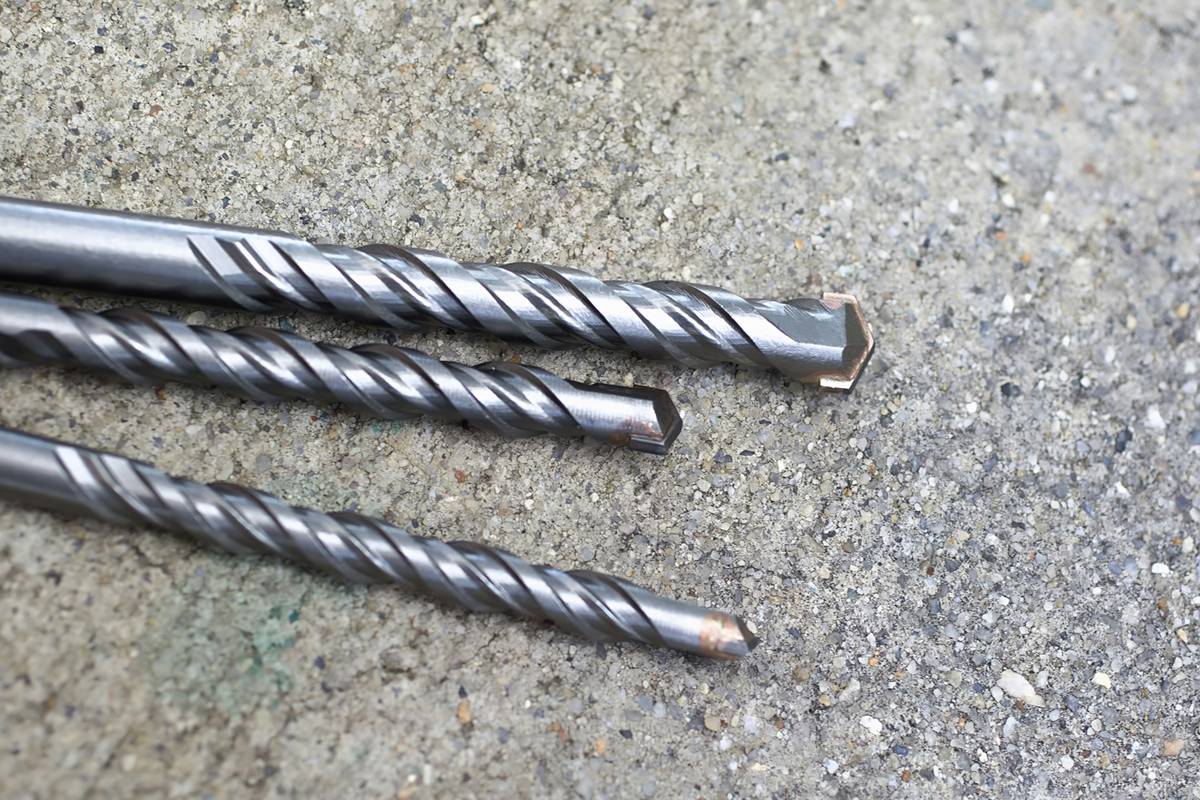
I once tried hanging floating shelves using a cheap HSS (high-speed steel) bit on concrete anchors. Two snapped bits, one cracked tile, and a very disappointed cat later—I learned the hard way that masonry requires carbide-tipped bits. According to the Occupational Safety and Health Administration (OSHA), improper tool selection contributes to over 30% of non-fatal home workshop injuries annually—many from tools binding or breaking unexpectedly.
Using the wrong bit doesn’t just risk damage—it wastes time, money, and your Saturday. Worse, it can compromise structural integrity. A stripped pilot hole in hardwood won’t hold a screw. A dull bit overheating on stainless steel can warp thin sheet metal. This isn’t theoretical—it’s the difference between “I built this!” and “I hired someone to fix this.”
How to Choose the Right Drill Bit for Your DIY Project
Let’s cut through the jargon. Here’s how to pick the exact bit your project demands—no guesswork.
What material are you drilling into?
Wood: Use brad point bits for clean entry/exit holes (ideal for furniture). Spade bits for large holes in framing (but expect tear-out). Avoid twist bits—they wander.
Metal: Go for cobalt or titanium-coated HSS bits. Cobalt (M35 or M42 grade) handles hardened steel; titanium reduces friction on aluminum or brass.
Masonry/Concrete: Only carbide-tipped masonry bits work. Use with a hammer drill mode—never standard rotation alone.
Tile/Glass: Diamond-tipped or spear-point carbide bits. Drill slowly with water cooling to prevent cracking.
What’s the purpose of the hole?
- Pilot hole: Smaller than screw diameter. Use a brad point or twist bit sized to the screw’s core (not threads).
- Clearance hole: Matches screw head or bolt diameter so it passes through cleanly. Often larger than pilot.
- Countersink: Creates a conical recess for flat-head screws. Requires a dedicated countersink bit.
Optimist You:
“Just match the bit to the material and job—easy!”
Grumpy You:
“Ugh, fine—but only if I don’t have to read another ‘universal’ label again.”
Pro Tips That Save Time, Money, and Sanity
- Check the shank: Round shanks slip in keyless chucks under heavy load. Hex shanks (¼”) lock in tight—essential for impact drivers.
- Don’t force it: Let the bit cut. Pushing too hard dulls edges faster. If smoke appears, stop immediately—you’re burning the bit.
- Speed matters: High RPM for wood/plastic; low RPM + high torque for metal/masonry. Refer to your drill’s manual.
- Sharpen wisely: Only sharpen HSS or cobalt bits with a bench grinder at 118° angle. Never sharpen carbide—it chips.
- Store properly: Keep bits in labeled cases. Tossing them loose in a drawer nicks cutting edges.
Terrible Tip Disclaimer: “Just use whatever’s in the drawer—it’ll work eventually.” Nope. This mindset destroys bits, ruins materials, and voids warranties on expensive fixtures. Don’t be that guy.
Rant Section: My Pet Peeve
Why do big-box stores sell “299-piece universal drill bit sets” that include 127 sizes of the same mediocre HSS bit? It’s like selling a Swiss Army knife with 50 toothpicks. Focus on quality over quantity. Five good bits beat 100 junk ones every time.
Real DIY Disasters (and Wins) with Drill Bits
The Disaster: Installing a medicine cabinet in an old bathroom wall. Assumed it was drywall—used a standard twist bit. Hit ceramic tile behind the plaster. Cracked a $120 subway tile. Root cause? Didn’t verify substrate. Lesson: Always probe with a nail first.
The Win: Building a cedar deck last summer. Used carbide-tipped deck bits (designed for pressure-treated lumber) with self-countersinking tips. Drilled 200+ holes without changing bits. Zero tear-out. Saved 3 hours vs. standard bits.
Data point: A 2023 survey by DIY Network found that 68% of DIYers who used material-specific bits reported fewer errors and faster project completion versus those using generic sets.
FAQs: Your Burning Drill Bit Questions, Answered
Can I use a metal drill bit on wood?
Technically yes—but it’s inefficient. Metal bits have steeper flute angles that cause tear-out in wood. Use wood-specific bits for clean results.
Why do my drill bits keep snapping?
Likely causes: Wrong material match, excessive pressure, or worn chuck. Masonry bits in standard drill mode often snap due to lack of hammer action.
Are titanium-coated bits worth it?
For metal and hardwood, yes. The coating reduces heat and friction, extending life by up to 3x vs. uncoated HSS (per ASM International wear studies).
What size drill bit for a #8 screw?
Pilot hole: 3/32″ for hardwood, 1/16″ for softwood. Clearance hole: 7/64″. Always check manufacturer specs—they vary slightly.
Can I drill into concrete without a hammer drill?
Not effectively. Standard drills lack percussive action. You’ll overheat bits and barely penetrate. Rent or buy a hammer drill for masonry.
Conclusion
So—DIY project drill bit what kind? It depends entirely on your material and mission. Skip the “universal” gimmicks. Match bit type to substrate (wood → brad point, metal → cobalt, masonry → carbide), respect the job function (pilot vs. clearance), and never ignore shank compatibility. Do that, and you’ll drill cleaner, faster, and without the collateral damage of shattered tiles or snapped bits.
Now go forth. Your wall (and your cat) will thank you.
Like a Tamagotti, your drill bit collection needs daily care—feed it the right material, don’t overwork it, and for goodness’ sake, don’t let it die in a junk drawer.
Steel sings,
Wood yields cleanly,
Masonry fights back—
Choose your bit wisely.
(Or cry into sawdust.)