You spent hours selecting the perfect hardwood. You measured twice, cut once—and then ruined it with a splintered, misaligned hole. Again. That frustration? It’s not your skill. It’s your woodworking bits and hole drills. Standard hardware store sets are built for speed, not precision. But clean, accurate holes aren’t luck—they’re physics, geometry, and the right tool choice.
Why Your Current Drill Bits Keep Failing on Wood
Most DIYers grab the cheapest multi-pack off the shelf—twist bits labeled “general purpose.” Big mistake. Soft steel dulls after three holes in oak. Aggressive point angles tear out grain instead of slicing it. And forget clean exits; you get blowout that turns mortise-and-tenon dreams into kindling.
Here’s the reality: wood isn’t uniform. Hard maple fights back. Plywood delaminates. End grain shreds like paper. Your bit must match the material—not just the hole size.
Choosing & Using woodworking bits and hole drills Like a Pro
Step 1: Match Bit Type to Task (Not Just Diameter)
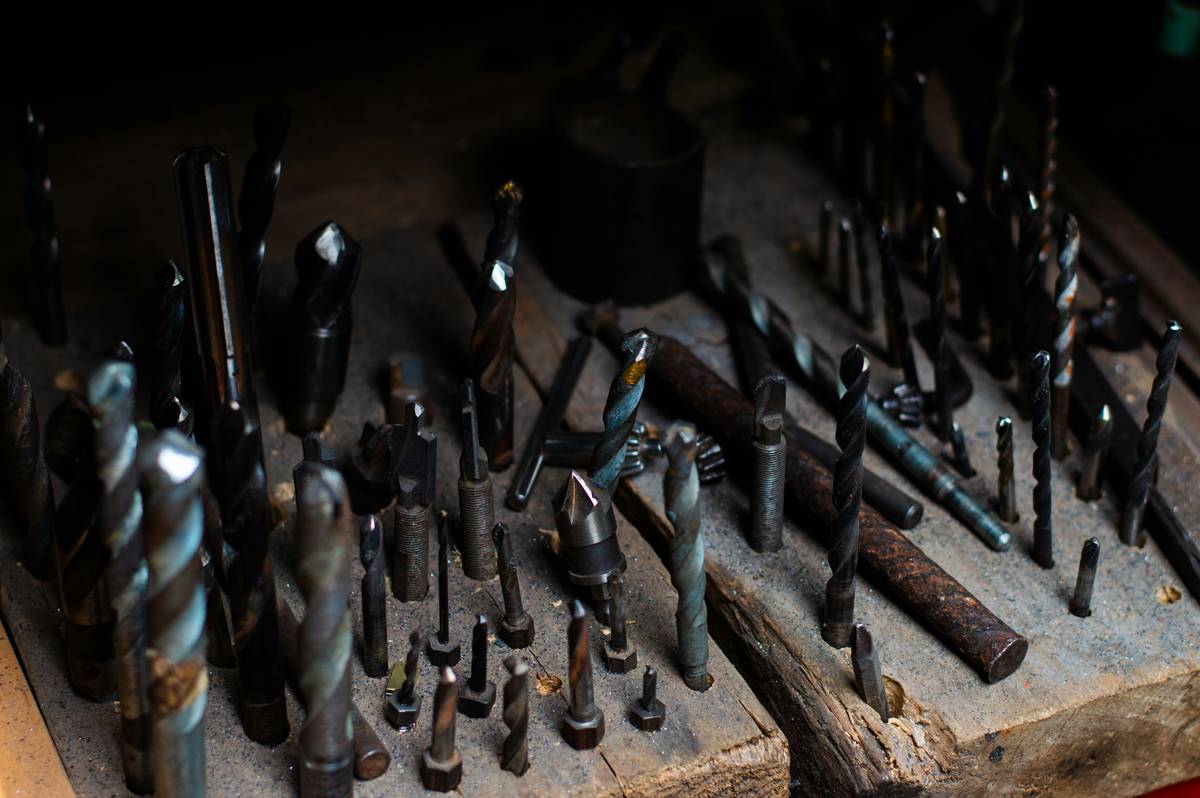
Forstner bits? Flat-bottomed glory for hinges and inlays—but they hog power. Brad-point bits? Laser accuracy for through-holes in furniture legs. Spade bits? Only for rough work behind drywall. Don’t mix them up.
Step 2: Control Speed, Not Just Pressure
High RPM on dense hardwood = burnt edges and melted glue lines. Drop to 500–800 RPM for anything over ½-inch. Let the bit cut—don’t force it. A sharp brad-point at low speed removes cleaner chips than a dull Forstner screaming at 3,000 RPM.
Step 3: Backer Boards Aren’t Optional
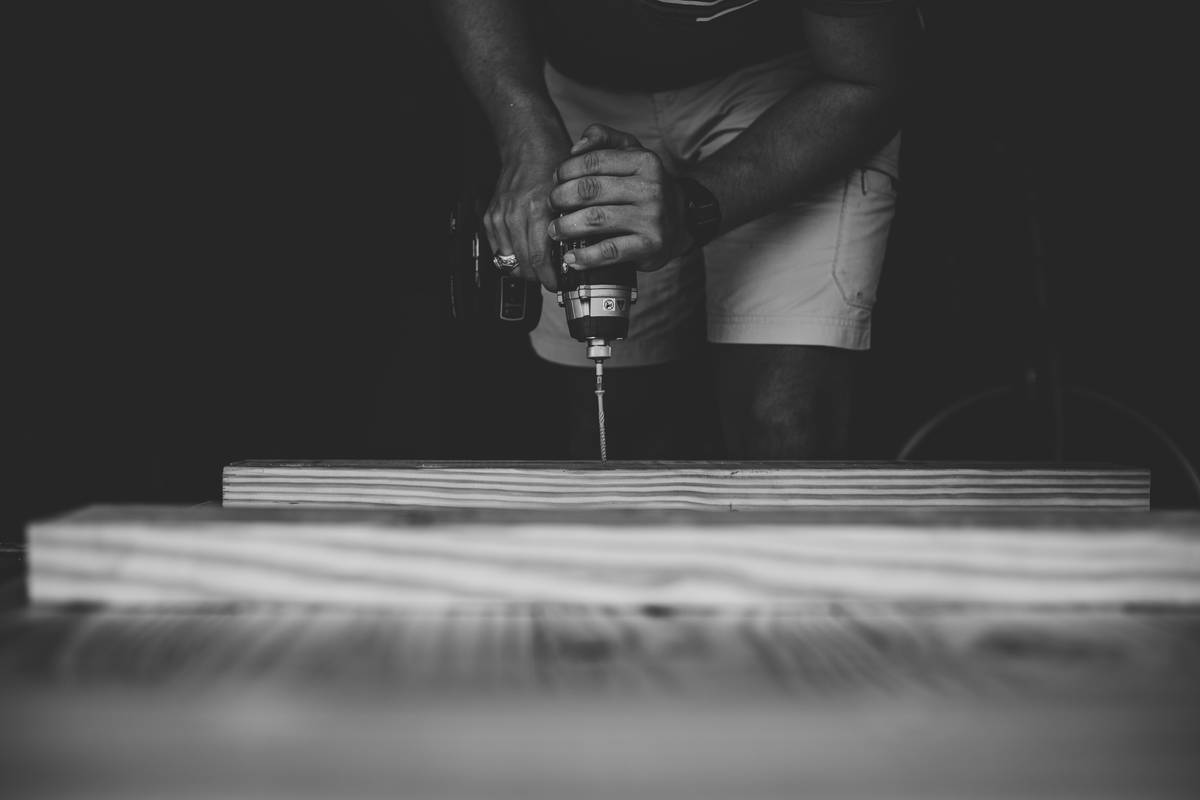
Clamp scrap wood underneath your workpiece. Exit-side tear-out vanishes. That’s non-negotiable for visible surfaces. Skip it, and you’ll spend more time filling voids than finishing grain.
| Bit Type | Best For | Max Clean Depth (in hardwood) | Avg. Cost (per bit) |
|---|---|---|---|
| Brad-Point | Furniture joinery, dowels | 2.5 inches | $4–$9 |
| Forstner | Flat-bottom holes, overlapping cuts | 1.75 inches | $12–$22 |
| Spade | Rough framing, wire chases | Unreliable beyond 1 inch | $2–$5 |
| Hole Saw | Large openings (knobs, fixtures) | Varies by arbor | $8–$18 |
The Industry Secret: It’s Not About Brand—It’s About Tip Geometry
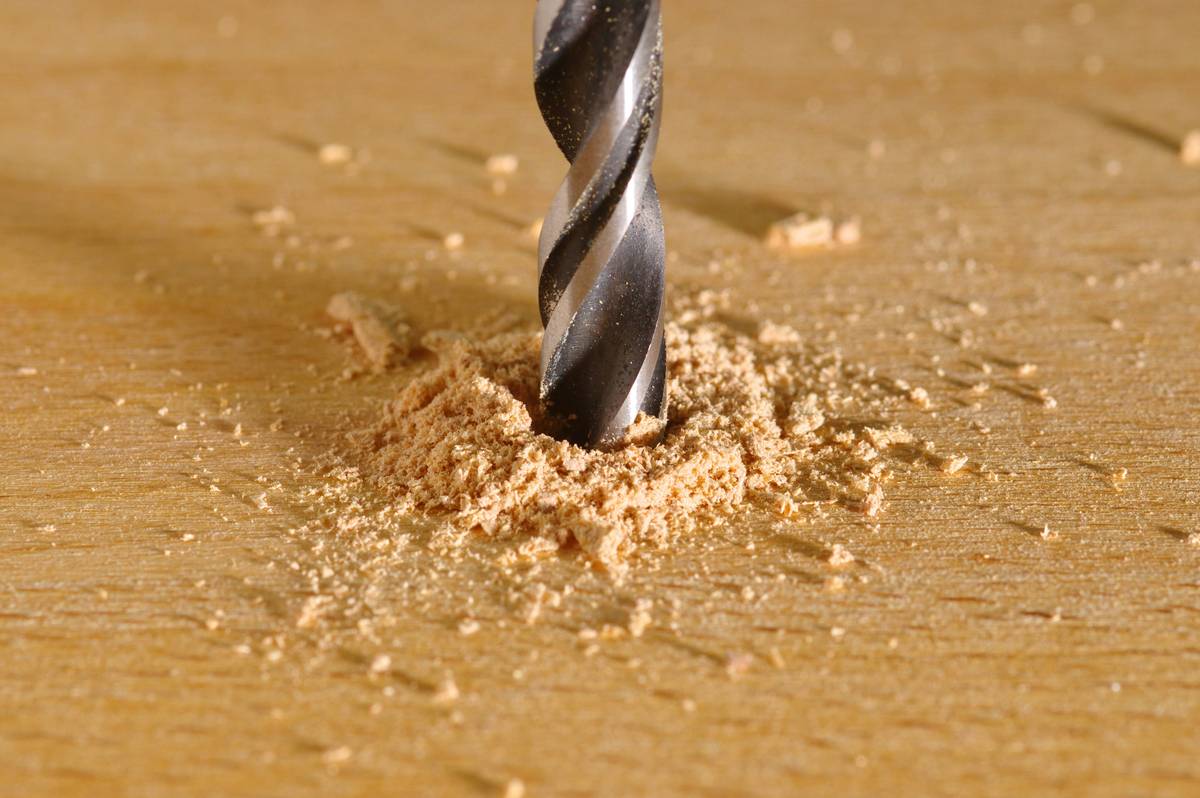
Big-box stores won’t tell you this: two “premium” brad-point bits can perform wildly differently because of the chisel angle at the tip. Look for bits ground with a 55° point angle and dual spurs that score the perimeter before the center cuts. That’s what prevents fiber tear. Most imported sets use 60°+—fine for pine, disastrous for cherry. And here’s the kicker: regrind your own. A $15 diamond file held at 55° extends usable life fivefold. Pros do it weekly.
But don’t trust marketing terms like “self-feed” or “ultra-sharp.” Test on scrap first. If it squeals or smokes, it’s lying to you.
FAQ
Can I use metal drill bits on wood?
Technically yes—but they lack spurs, so tear-out is guaranteed. Stick to wood-specific geometry.
Why do my Forstner bits wander?
They need a pilot dimple. Pre-drill a 1/16” hole at your mark to anchor the center point.
How often should I replace woodworking bits?
When chips turn powdery instead of curly, or when you need excessive pressure—replace immediately.