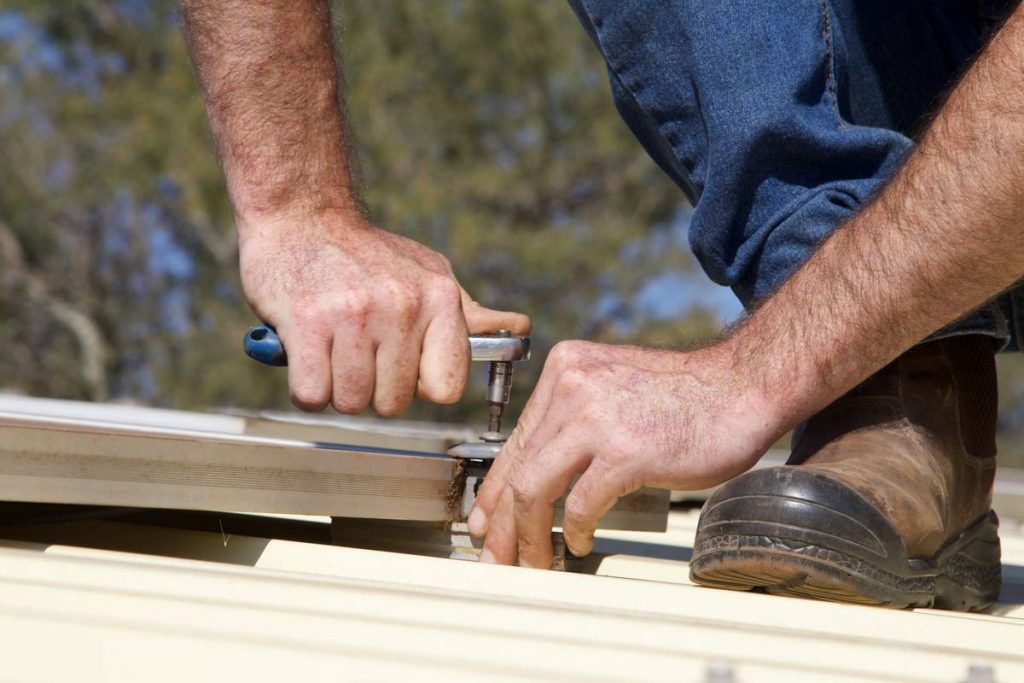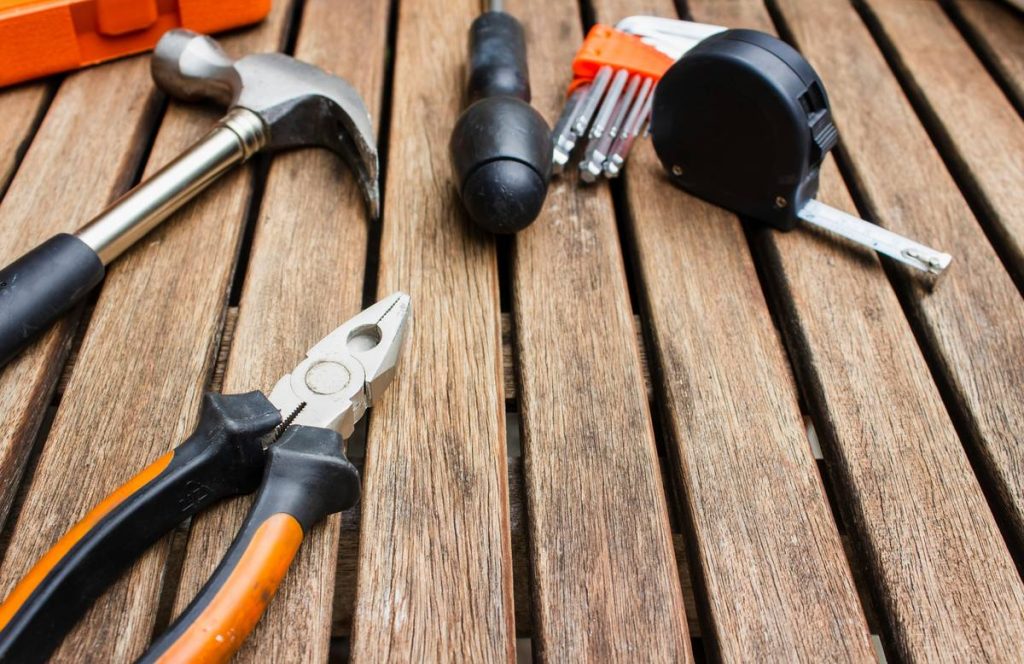
You bought a hand drill. You grabbed some cheap bits from the bargain bin. Now you’re staring at a stripped screw, a cracked tile, or—worse—a ruined weekend project. The frustration is real. But here’s the fix: not all bits for hand drill are created equal. The right ones turn grunt work into precision craftsmanship.
Most DIYers Get This Wrong (And Waste Time)
Hand drills operate at low RPM and rely entirely on human torque. That changes everything. Power drills blast through material with speed and consistent pressure. Hand drills? They demand finesse—and compatible bits.
Slap in a high-speed steel (HSS) bit meant for a cordless driver, and you’ll slip, wander, or snap it clean off. And those multi-bit sets sold online? Half the tips won’t even seat properly in a manual chuck. The result? Slippage, stripped heads, and a growing pile of regret.
It’s not user error. It’s tool-bit mismatch.
Selecting & Using the Right bits for hand drill
Match Bit Shank to Chuck Type
Old-school hand drills use tapered square shanks (like 1/4″ Jacobs taper). Modern keyless chucks accept round shanks—but only if they grip tightly. Loose rotation = zero torque transfer. Always verify compatibility before buying.
Prioritize Tip Geometry Over Brand Hype
A Phillips #2 bit stamped with “impact-rated” means nothing in a hand drill. What matters? Precise tip fit. Even 0.1mm of play ruins torque. Look for bits labeled “precision-ground” or “exact-fit”—not just “universal.”
Material Dictates Bit Composition
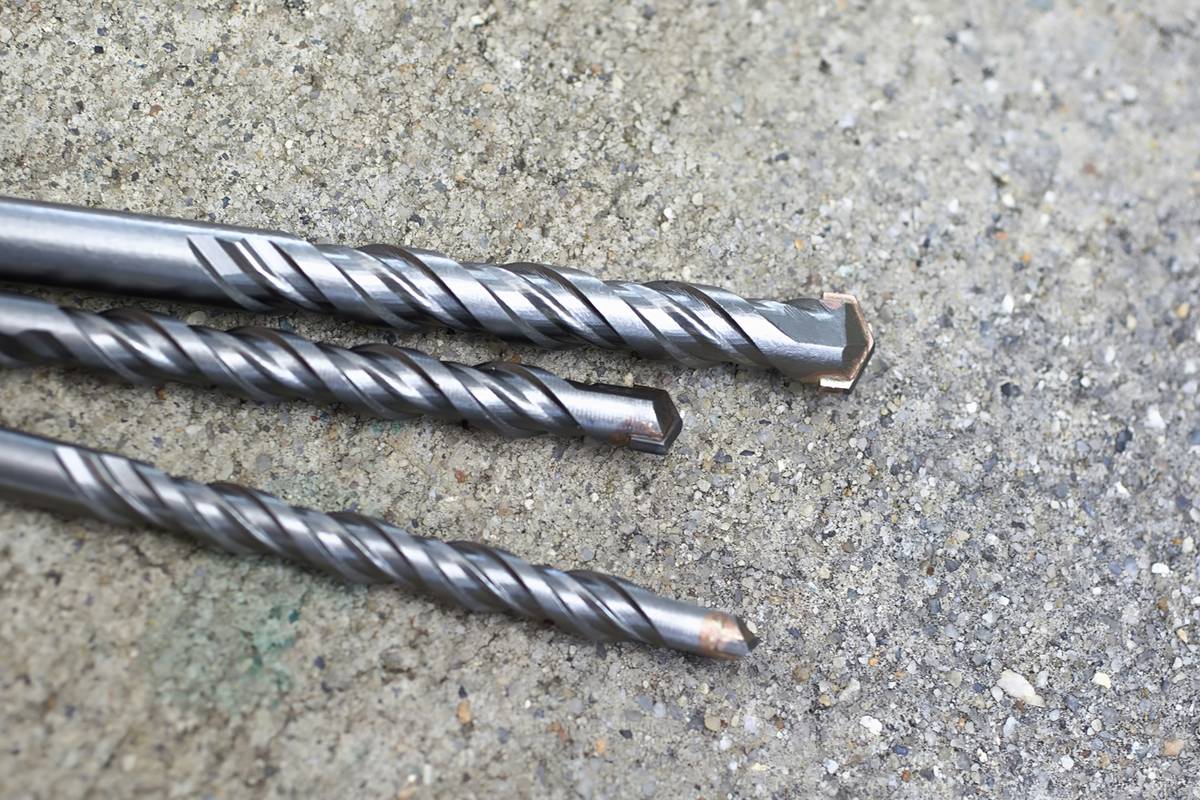
Drilling into hardwood? Use carbon steel bits—they bite better at low speeds. Tile or masonry? Forget it. Hand drills lack the percussive force needed; you’ll fracture surfaces. Save carbide-tipped bits for powered hammer drills.
| Bit Type | Best For | Avoid With Hand Drill? | Cost Range (USD) |
|---|---|---|---|
| Carbon Steel Flat/Phillips | Wood, soft metals, general assembly | No—ideal choice | $3–$8 per set |
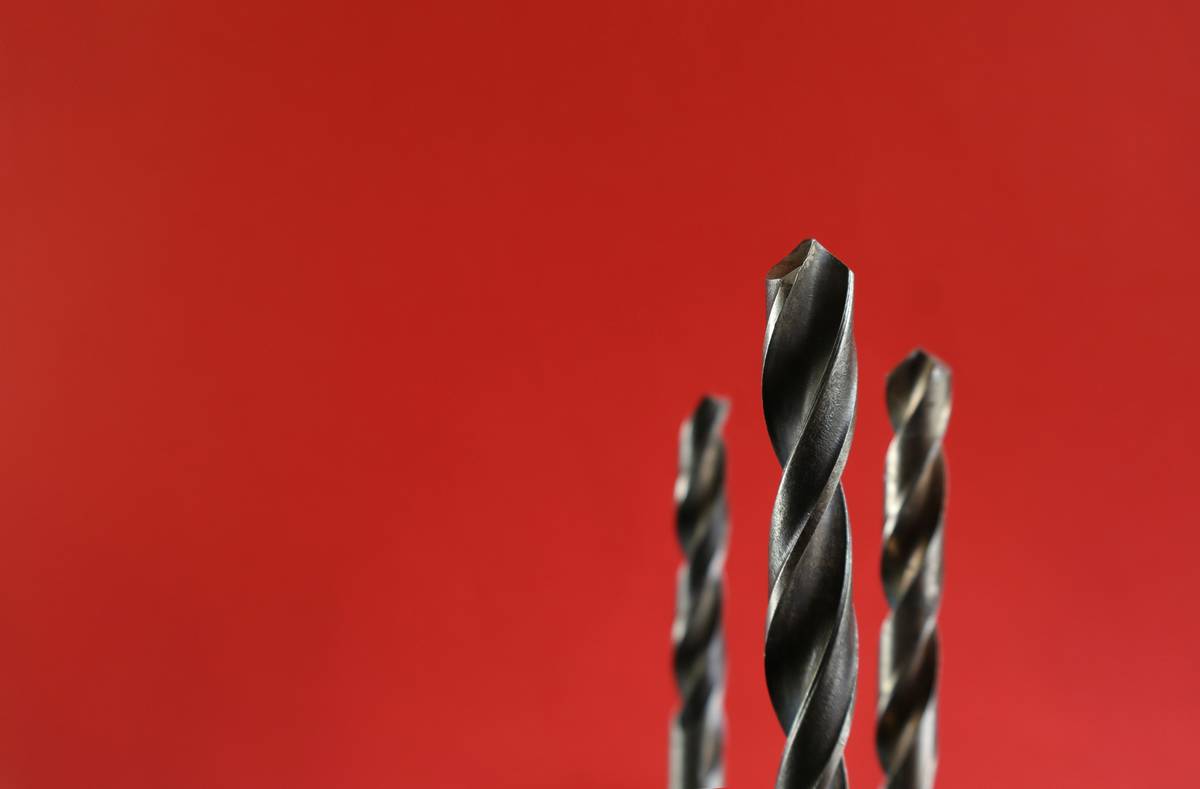
| HSS Twist Bits | Metal, plastic (with pilot hole) | Only if sharp and small diameter (<1/8″) | $5–$12 |
| Impact Driver Bits | Cordless impact drivers | Yes—shanks often too short or loose | $10–$20 |
| Carbide-Tipped Masonry | Concrete, brick | Absolutely—requires hammer action | $15–$30 |
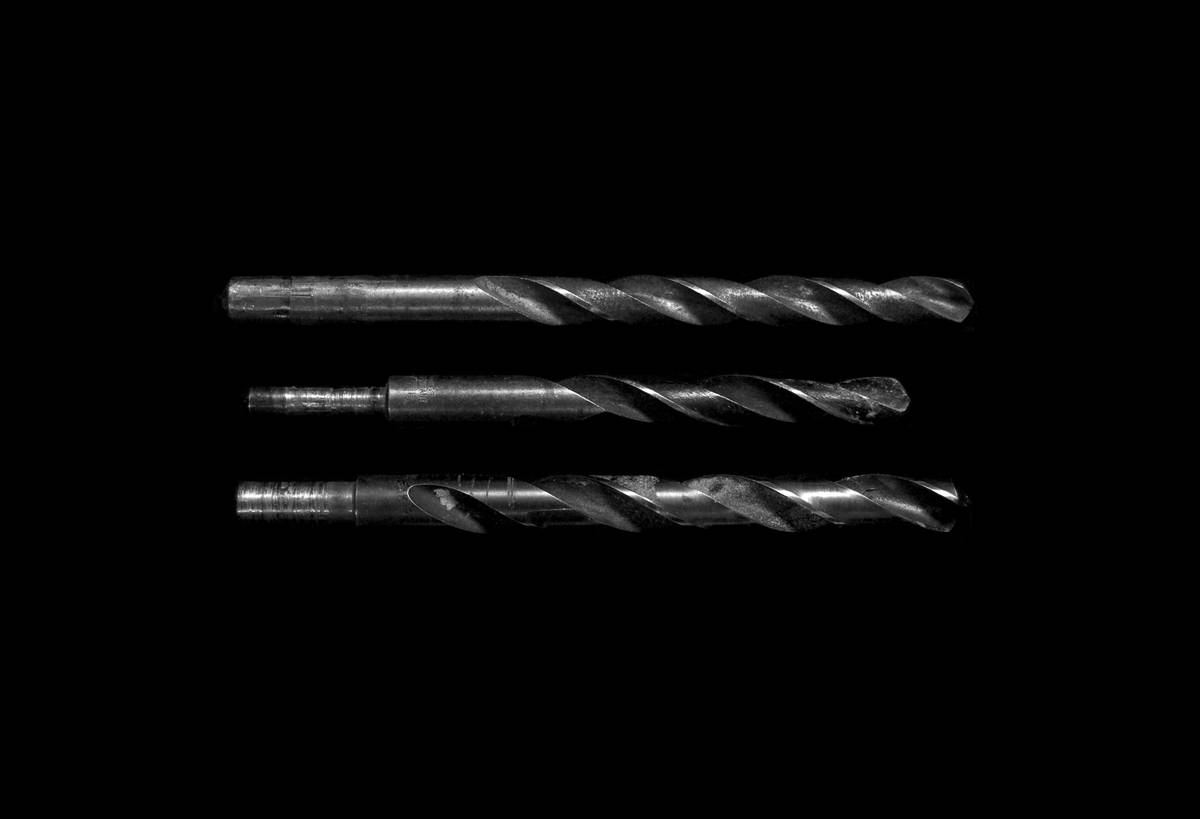
The Unspoken Workshop Secret: Speed Isn’t the Goal—Control Is
Here’s what pros won’t tell beginners: with a hand drill, slower is faster. Rushing causes bit walk, overheating, and user fatigue. But there’s a deeper trick—apply side pressure, not just downward force. Light lateral tension keeps the bit engaged in the flutes, reducing slippage dramatically.
And never skip wax. Rubbing a twist bit with paraffin or beeswax cuts friction by 60%+ in hardwood—making your hand drill feel like it’s got gears. Old-school? Yes. Effective? Unequivocally.
Frequently Asked Questions
Can I use power drill bits in a hand drill?
Only if the shank fits tightly and the bit is designed for low-RPM use. Most standard power drill bits will slip or break under manual torque.
What size bits work best with hand drills?
Stick to diameters under 1/4 inch. Larger bits require more force than human hands can sustain without binding or snapping.
How do I prevent my hand drill bits from slipping?
Ensure exact tip-to-fastener fit, apply light side pressure while turning, and use sharp, carbon steel bits—not worn or generic ones.