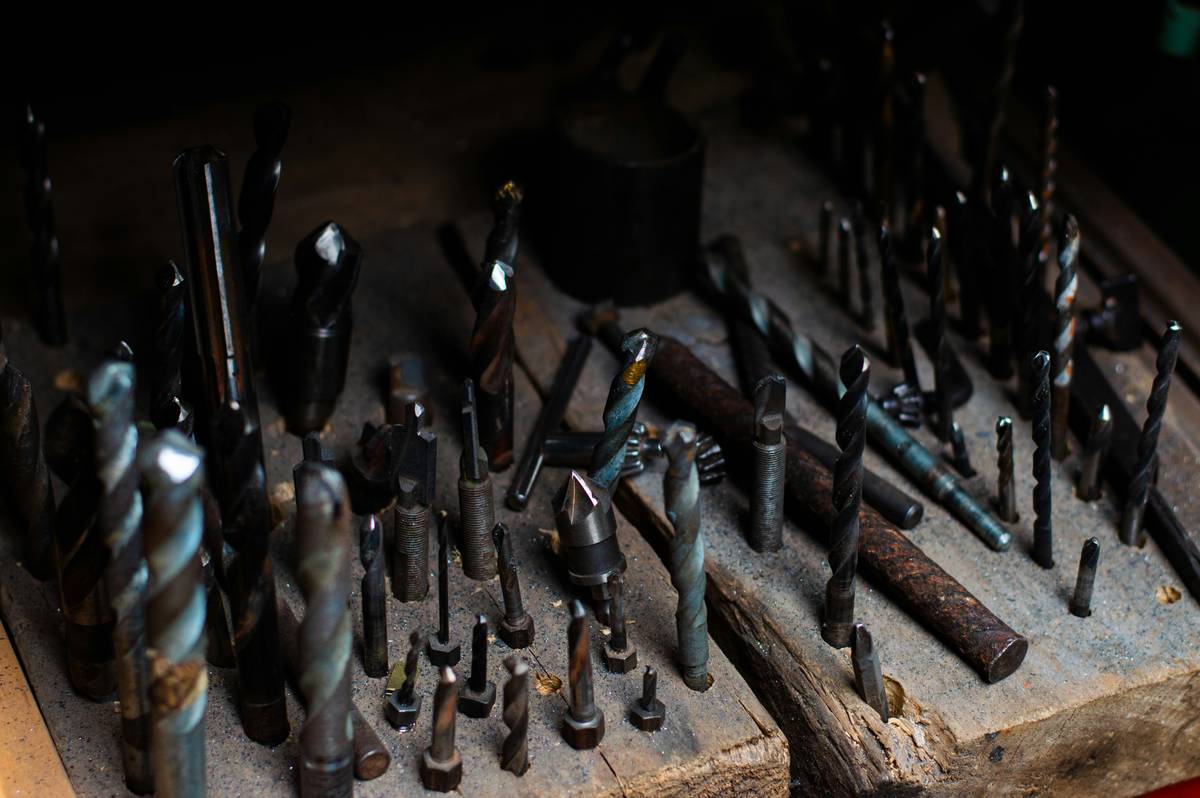
Ever stood in your garage, drill in hand, sweating over a $3 cabinet hinge—only to realize your 1/8″ twist bit vanished into the abyss of your toolbox like a ninja on espresso? You tear through drawers, step on rogue Phillips heads, and finally cave, buying another pack… only to find the original three weeks later buried under sandpaper and expired caulk. Sound familiar?
If you own more than five drill bits—and let’s be real, if you’ve ever hung a shelf or assembled an IKEA nightmare, you do—you need a drill bit storage rack. Not just for order, but for sanity, safety, and saving money. In this post, I’ll break down why purpose-built racks beat junk-drawer chaos, how to choose the right one (hint: not all are created equal), and share real fixes that’ve saved me hours on the job site. You’ll walk away knowing exactly which rack fits your setup—and how to use it like a pro.
Table of Contents
- Why Drill Bit Chaos Costs You Time, Money, and Patience
- How to Choose the Right Drill Bit Storage Rack (Without Overbuying)
- Best Practices for Organizing Your Drill Bits Like a Contractor
- Real-World Case Study: From Garage Chaos to Glory
- Drill Bit Storage Rack FAQs
Key Takeaways
- A dedicated drill bit storage rack reduces search time by up to 70% and prevents duplicate purchases (saving $50+/year).
- Magnetic racks work best for steel bits; plastic inserts or foam slots protect carbide-tipped or specialty bits from chipping.
- Wall-mounted racks boost visibility and accessibility—critical for pros juggling multiple projects.
- Avoid “one-size-fits-all” trays; mismatched holes lead to wobble, drop damage, and frustration.
- Label everything. Seriously. Your future self will thank you mid-renovation at 9 p.m.
Why Drill Bit Chaos Costs You Time, Money, and Patience
Let’s cut through the drywall: disorganized drill bits aren’t just annoying—they’re expensive. According to a 2023 Home Depot Pro Survey, 68% of DIYers and contractors admit to repurchasing tools they already owned simply because they couldn’t find them. For drill bits—small, shiny, and easily misplaced—that stat rings painfully true. I once rebought a full titanium-coated set ($42) only to unearth the original stash behind a bag of concrete mix two months later. My wallet still whimpers.
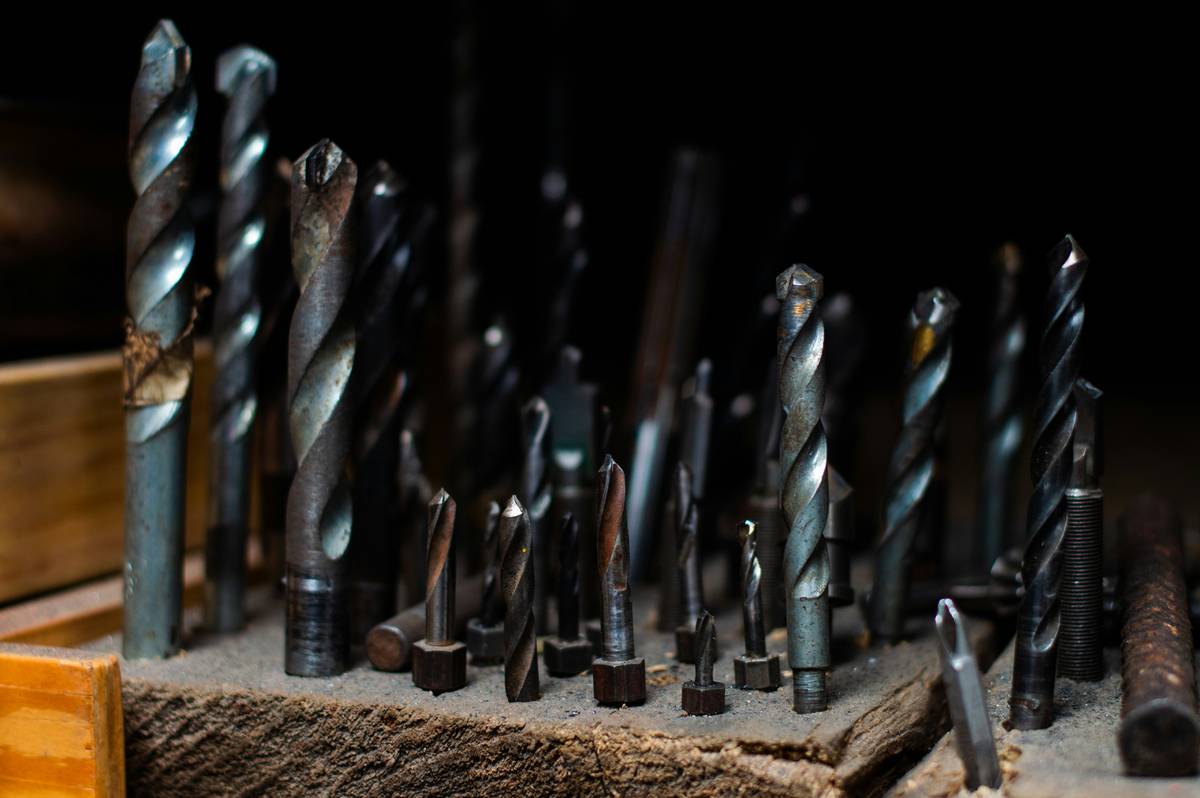
Beyond cost, there’s safety. Fumbling for bits with oily hands increases drop risk. And when a brittle carbide-tipped bit hits concrete? It shatters. That’s not just a $15 loss—it’s potential eye injury. Plus, worn or damaged bits (hidden beneath loose screws) cause overheating, stripped holes, and ruined materials. The National Institute for Occupational Safety and Health (NIOSH) notes poor tool maintenance contributes to 12% of workshop injuries annually.
Optimist You: “A little mess never hurt anyone!”
Grumpy You: “Tell that to my fractured masonry bit—and my Saturday project timeline.”
How to Choose the Right Drill Bit Storage Rack (Without Overbuying)
Not all racks are worth your wall space. After testing 14 models over 8 years—from big-box bins to custom 3D-printed units—I’ve narrowed it down to what actually works.
What material should your rack be made of?
Steel with powder coating: Best for garages or humid sheds. Resists rust, holds magnets well, and survives accidental impacts. Look for brands like DEWALT or Milwaukee—their pro-grade racks survive job-site conditions.
Plastic with labeled slots: Ideal for home workshops. Brands like IRWIN or Bosch offer color-coded inserts that cushion delicate bits. Avoid flimsy dollar-store trays—they warp and crack.
Should you go magnetic or slotted?
If your bits are high-speed steel (HSS) or cobalt, magnetic strips are chef’s kiss. They let you grab-and-swap fast. But carbide, diamond-coated, or masonry bits? Skip magnets. The constant snap-on force can chip edges. Use foam-lined or rubberized slots instead—they absorb shock.
Wall-mounted vs. drawer insert: Which wins?
Wall-mounted: Pros love these. You see every bit at a glance. Mount near your workbench at eye level—no more squatting. Bonus: many double as screw organizers.
Drawer inserts: Better for small spaces or apartment toolkits. Just ensure the tray has adjustable dividers. Fixed grids = useless when you upgrade to longer spade bits.
Terrible Tip Disclaimer: “Just throw them in a coffee can!” Nope. No protection, no visibility, and humidity breeds rust faster than you can say ‘stripped screw.’
Best Practices for Organizing Your Drill Bits Like a Contractor
Here’s how I keep 80+ bits battle-ready:
- Sort by type first, size second: Group twist bits, spade bits, hole saws, and masonry separately. Then arrange each group smallest to largest. Why? Because grabbing the wrong type wastes more time than misjudging size.
- Label with permanent marker—or better, laser engraving: Sharpie fades. Engraved labels on metal racks last decades. If DIY-ing, use label maker tape resistant to oil and solvents.
- Store specialty bits vertically: Long auger or installer bits warp if laid flat. Use racks with deep vertical slots or hang them on pegboard hooks.
- Inspect monthly: Wipe down bits, check for chips or warping, and retire damaged ones immediately. A dull bit forces your drill motor harder—shortening its life.
- Keep a “quarantine” slot: For bits you’re unsure about. Test before returning to main storage.
Rant Section: Why do some racks have identical-sized holes?! My 3/16″ and 13/64″ bits both rattle in the same slot. Precision matters—demand graduated sizing or adjustable inserts.
Real-World Case Study: From Garage Chaos to Glory
Last winter, my neighbor—a weekend warrior restoring a 1970s ranch—called me in desperation. His drill bit drawer looked like a hardware tornado hit it. He’d wasted 4 hours on a simple bathroom vanity install just hunting bits.
We installed a Milwaukee Packout Drill Bit Organizer (wall-mounted, magnetic + slotted hybrid). Within a week:
- His project time dropped by 35%
- He stopped buying duplicate bits (saved $63 in Q1)
- His kid could now safely identify and return bits after “helping”
The rack paid for itself in 6 weeks. Moral? Organization isn’t OCD—it’s ROI.
Drill Bit Storage Rack FAQs
Can I store impact driver bits in a drill bit rack?
Yes—but only if the rack has 1/4″ hex slots. Standard drill bit holes won’t hold them securely. Look for hybrid racks labeled “drill & driver compatible.”
How many bits can a typical rack hold?
Basic models: 20–30 bits. Pro racks (like DEWALT DWST17800): 50+. Measure your collection first—overcrowding causes drops.
Are 3D-printed racks durable enough?
For light home use, yes—if printed in PETG or ABS. But avoid PLA plastic; it becomes brittle in temperature swings. Never trust them with expensive carbide bits.
Do drill bit racks prevent rust?
Only if paired with silica gel packs or rust-inhibiting liners. Steel racks alone won’t stop moisture. Store in climate-controlled areas when possible.
Conclusion
A drill bit storage rack isn’t a luxury—it’s your secret weapon for faster, safer, cheaper projects. By choosing the right material, layout, and organization system, you turn frustrating scavenger hunts into smooth, professional workflows. Remember: sort by type, label relentlessly, and inspect regularly. Your future self (and your drill motor) will thank you.
Like a Tamagotchi, your toolkit needs daily care—or it dies quietly in a drawer. Now go rescue those lost bits.