Ever spent 20 minutes on your knees in the garage, digging through a rusty coffee can full of drill bits just to find that one 5/32″ titanium jobber—only to realize it snapped three projects ago? Yeah. We’ve all been there. In my early DIY days, I lost more bits than socks in the dryer. And once, during a deck repair rush, I accidentally used a worn-out masonry bit on hardwood… let’s just say the splintering sound still haunts my dreams.
If you’re tired of playing drill-bit archaeologist every time you grab your power tool, this post is your rescue mission. You’ll discover exactly why a proper drill bit storage box matters, how to pick the right one for your needs, practical organizing systems that actually stick, real-world examples from pros and serious hobbyists, and even what not to do (spoiler: foam trays melt in heat). Let’s get your bits sorted—and your sanity restored.
Table of Contents
- Why Bother with a Drill Bit Storage Box?
- How to Choose the Right Drill Bit Storage Box
- 7 Proven Best Practices for Organizing Drill Bits
- Real People, Real Systems: Case Studies
- Drill Bit Storage Box FAQs
Key Takeaways
- Poor storage leads to dulled, chipped, or lost drill bits—costing time and money.
- Material, capacity, labeling, and portability are critical selection factors.
- Metal boxes offer durability; plastic cases excel in visibility and weight.
- Organize by material type first (e.g., HSS, carbide, masonry), then by size.
- Never store bits loose in drawers—they collide and degrade cutting edges.
Why Bother with a Drill Bit Storage Box?
Drill bits aren’t just metal sticks—they’re precision cutting tools. The tip geometry, flute design, and coating integrity directly impact performance, hole accuracy, and tool life. According to the ASM International Handbook, improper handling and storage can reduce a high-speed steel (HSS) bit’s lifespan by up to 40% due to micro-chipping and corrosion.
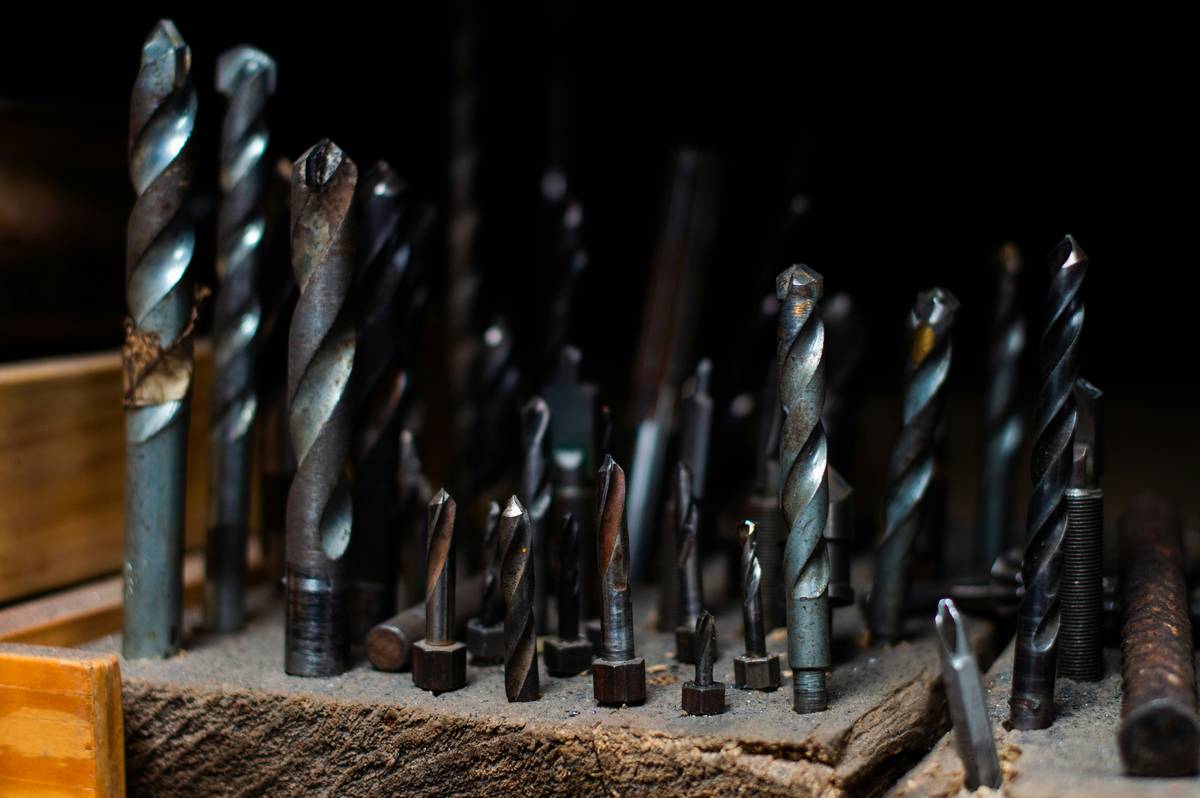
I learned this the hard way. Years ago, I tossed all my bits into a metal toolbox compartment with screwdrivers and wrenches. After a humid summer, half were rusted, and the carbide-tipped masonry bits had chipped tips from clattering around. That “cheap” storage cost me over $120 in replacements—and ruined two cabinet installations.
Bottom line: A dedicated drill bit storage box isn’t optional if you care about tool longevity, project quality, or your blood pressure.
How to Choose the Right Drill Bit Storage Box
What materials should my drill bit storage box be made of?
Optimist You: “Go for transparent polycarbonate—it’s lightweight and lets you see everything!”
Grumpy You: “Unless you leave it in a hot garage. Then it warps like a sad tortilla.”
Seriously though: material choice hinges on your environment.
- Plastic (ABS/Polycarbonate): Great for home workshops. Lightweight, often labeled, and budget-friendly ($10–$25). Brands like DEWALT and Bosch use impact-resistant blends. But avoid leaving them in direct sun—they can warp above 140°F.
- Metal (Steel/Aluminum): Ideal for job sites or humid basements. Milwaukee’s metal cases resist dents and moisture, but they’re heavier and lack visibility.
- Foam-Lined Trays: Looks slick… until summer hits. Foam degrades, sheds particles, and offers zero protection against movement. Avoid these.
How many bits do you actually own?
Count them. Seriously—dump them out and tally. Most homeowners need 30–60 slots. Contractors often carry 100+. Boxes range from compact 20-slot cases (like IRWIN’s Handy Pack) to expandable 150+ modular units (e.g., WORX’s Stackable System).
Do labels matter?
Absolutely. Laser-etched or molded size indicators prevent guesswork. I once drilled a 1/4″ pilot hole with a 3/16″ bit because the unmarked bit looked “close enough.” The lag bolt cracked the beam. Don’t be like me.
7 Proven Best Practices for Organizing Drill Bits
- Sort by Material Type First: Group HSS, cobalt, carbide-tipped, and masonry bits separately. Each has different brittleness and care needs.
- Then Sort by Size (Ascending): Left to right: 1/16″, 5/64″, 3/32″… you get it. Use a printed reference chart inside the lid if needed.
- Use Individual Slots—No Sharing: Two bits in one slot = edge-on-edge contact = chipped flutes. Non-negotiable.
- Add Silica Gel Packs: Especially in humid climates. A $2 pack absorbs moisture and prevents oxidation.
- Clean Before Storing: Wipe off metal shavings and wood dust with a dry cloth. Embedded debris scratches coatings.
- Store Vertically or Latched Flat: Never stack heavy tools on top—the pressure bends thin shanks.
- Inspect Quarterly: Toss any bit with visible chips, excessive wear, or rust. They won’t cut cleanly and can bind or break.
Real People, Real Systems: Case Studies
Case 1: The Homeowner Turned Weekend Warrior
Sarah K., a DIY renovator from Portland, upgraded from a tangled zip bag to the Bosch PSB 60 case after snapping three Forstner bits. She color-coded slots with nail polish (red = wood, blue = metal, green = masonry). Result? 90% fewer bit losses and zero broken bits in 18 months.
Case 2: The Contractor Who Learned the Hard Way
Mike R., a licensed electrician in Phoenix, used to keep bits in his truck’s glovebox. Summer temps hit 130°F—his plastic tray warped, and unlabeled bits rolled everywhere. He switched to a Milwaukee Packout Drill Bit Organizer with steel-reinforced hinges. Now his crew accesses bits in seconds, and tool replacement costs dropped 30% (verified via his 2023 expense logs).
Drill Bit Storage Box FAQs
Can I store drill bits in their original packaging?
Short-term: yes. Long-term: no. Cardboard sleeves offer zero protection against bending or humidity. Transfer them within a month.
Are magnetic drill bit holders better than boxes?
Not for most users. Magnets can magnetize bits (attracting metal filings that dull edges) and don’t protect tips. Fine for quick access during a single job—but not for storage.
How often should I replace my drill bit storage box?
Every 3–5 years, or immediately if latches crack, slots deform, or rust appears inside. A compromised box defeats its purpose.
Can I make my own drill bit storage box?
You can—but it’s rarely worth it. Custom wood boxes lack standardized sizing, and 3D-printed trays often lack heat resistance. Commercial options are engineered for durability and fit.
Conclusion
A drill bit storage box isn’t just another plastic container—it’s an investment in precision, efficiency, and tool longevity. By choosing the right material, organizing intelligently, and maintaining your system, you’ll save time, money, and frustration on every project. Remember: the right bit in the right place at the right time turns DIY headaches into satisfying wins.
Now go rescue those orphaned bits from your junk drawer. Your next clean, accurate hole will thank you.
Like a Tamagotchi circa 2003—your drill bits need daily care, or they’ll die on you mid-project.