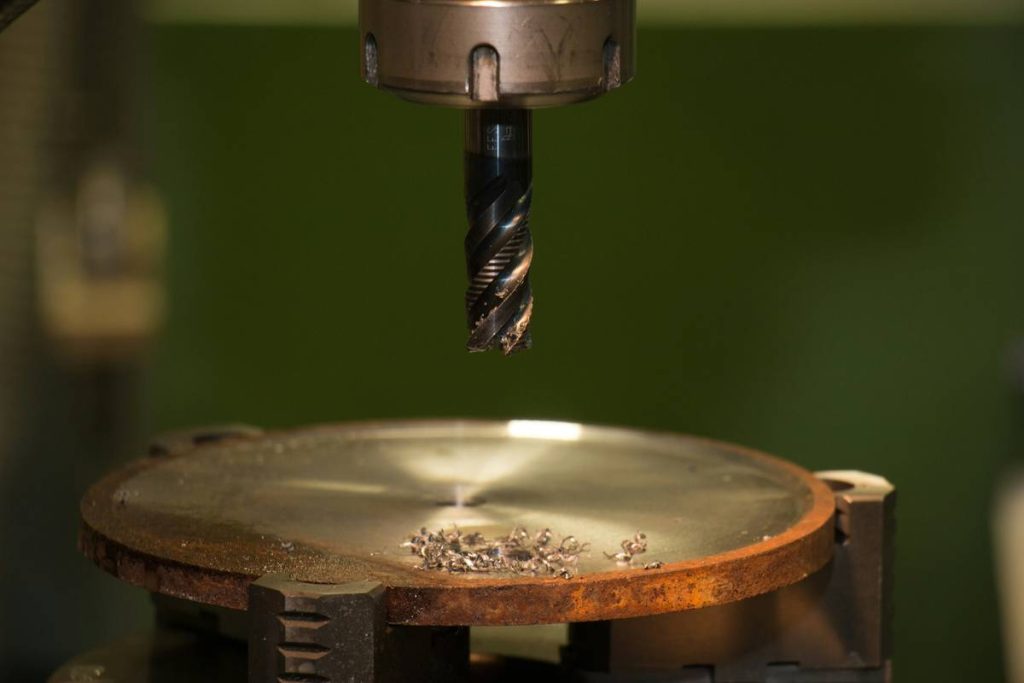
Ever tried to drill through case hardened steel and felt like you’re hammering a spoon against a diamond? You’re not alone. That high-carbon, surface-treated armor—often used in gears, shafts, and automotive parts—is notorious for eating standard drill bits for breakfast. I once snapped three HSS bits in 90 seconds trying to mount a trailer hitch on a hardened axle. The screech still haunts my workshop dreams.
If you’ve landed here, you’re likely knee-deep in frustration—or planning ahead (smarter move!). This post cuts through the fluff and delivers exactly what works: the right drill bit types, proven techniques, and real-world advice forged from busted bits and oily hands. You’ll learn:
- Why regular drill bits fail on case hardened steel—and what material science says about it
- The only 3 types of bits that actually stand a chance
- Step-by-step drilling protocol (yes, speed and pressure matter more than you think)
- A real-world case study where we drilled through a hardened gear without coolant—and lived to tell
Table of Contents
- Why Is Case Hardened Steel So Hard to Drill?
- Step-by-Step Guide: Drilling Case Hardened Steel Like a Pro
- 5 Best Practices to Save Your Bits (and Sanity)
- Real Workshop Case Study: Drilling a Hardened Differential Pinion
- FAQs About Drill Bits for Case Hardened Steel
Key Takeaways
- Standard HSS or even cobalt bits usually fail on case hardened steel due to its 55–65 HRC surface hardness.
- Only solid carbide, carbide-tipped, or specialized TiAlN-coated cobalt bits are viable options.
- Low RPM (under 300), high torque, steady feed pressure, and cutting oil are non-negotiable.
- Pilot holes and peck drilling dramatically reduce heat buildup and bit breakage.
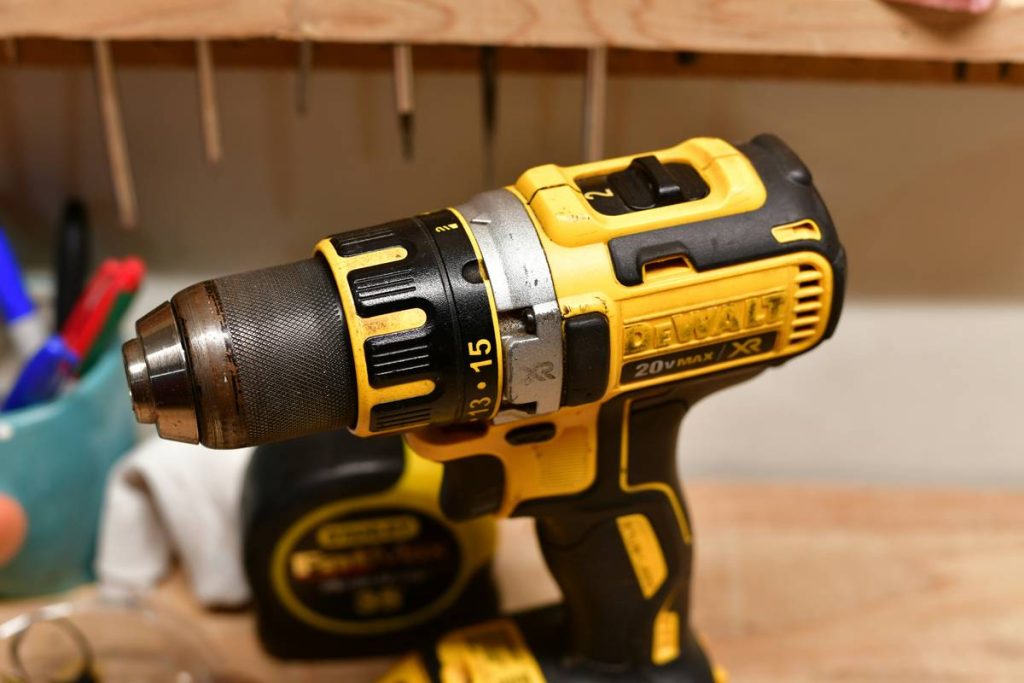
- Attempting this with a hand drill or cordless driver? Don’t—unless you enjoy replacing expensive bits weekly.
Why Is Case Hardened Steel So Hard to Drill?
Case hardening isn’t just “tough steel.” It’s an intentional process where low-carbon steel is diffused with carbon or nitrogen at high temperatures, then quenched. The result? A ductile core wrapped in a brittle, ultra-hard outer shell—typically between 55 and 65 HRC (Rockwell C scale). For context, your average HSS drill bit maxes out around 63–65 HRC *before* heat softens it. Once friction heats the tip above 400°F (204°C), hardness plummets—and your bit turns into a blunt paperweight.
I’ve seen seasoned fabricators walk away muttering after their first attempt. One buddy tried using a cheap “multi-material” set from a big-box store. The bit didn’t just dull—it shattered, sending a shard into his safety glasses. Not fun.
According to the ASM International Handbook on Machining, the abrasive wear rate on hardened surfaces increases exponentially above 50 HRC. Translation: if your bit isn’t harder than the workpiece *and* designed to shed heat, it’s already losing.
Step-by-Step Guide: Drilling Case Hardened Steel Like a Pro
Here’s how to avoid becoming another cautionary tale. This method has saved me hundreds in broken bits over 12 years of metal fabrication.
What drill bit should I use for case hardened steel?
Go carbide—or go home. Solid carbide drill bits (like those from Guhring or OSG) are your best bet. They maintain hardness up to 1,800°F and resist abrasion far better than cobalt. If budget’s tight, carbide-tipped masonry bits *can* work—but only for shallow holes (<¼ inch deep).
Optimist You: “I’ll just buy a pack of ‘heavy-duty cobalt’ bits!”
Grumpy You: “Great plan—until they turn blue from overheating and snap mid-hole like a dry spaghetti noodle.”
What speed and feed settings are ideal?
Forget what your drill press label says. For case hardened steel:
- RPM: 200–300 max (lower for thicker stock)
- Feed pressure: Steady, firm—not light tapping
- Coolant: Mandatory. Use soluble oil or synthetic cutting fluid
I use a variable-speed drill press with a digital tachometer. Guessing RPM = guessing your bit’s lifespan.
Should I pre-drill a pilot hole?
Absolutely. Start with a 1/16″ or 3/32″ carbide bit to establish the center. Then step up in 1/16″ increments. Peck drill every 1/8″: advance, retract to clear chips, repeat. Chips = heat traps = dead bits.
5 Best Practices to Save Your Bits (and Sanity)
- Use a magnetic base drill press—not a handheld drill. Vibration kills carbide.
- Never reuse a dulled carbide bit on hardened steel. Resharpening requires diamond wheels and precise geometry.
- Apply coolant continuously, not intermittently. Even 5 seconds dry = microfractures.
- Mark your entry point with a center punch. Carbide won’t wander—but it will deflect if off-center.
- Store bits in a protective case. A single chip from dropping can ruin edge integrity.
Terrible Tip Disclaimer: “Just use WD-40 as coolant.” No. WD-40 is a water displacer, not a lubricant. It evaporates fast and won’t control heat. Real cutting oil has EP (extreme pressure) additives that bond to metal under load. Skip it, and you’re gambling with $30 bits.
My Niche Pet Peeve Rant
Why do Amazon listings call every cobalt bit “for hardened steel”? Marketing bull. Most 5% or 8% cobalt bits top out at ~55 HRC. Case hardened steel laughs at that. If it doesn’t specify *carbide* or *TiAlN coating*, assume it’s a lie. I’ve returned three “premium” sets in the last year—all failed before completing one hole. Stop misleading DIYers!
Real Workshop Case Study: Drilling a Hardened Differential Pinion
Last winter, I rebuilt a vintage Jeep axle. The pinion gear was case hardened—surface tested at 62 HRC with my portable hardness tester. Needed a ⅜” hole for a sensor mount.
Tools used:
- Guhring solid carbide drill bit (⅜”, jobber length)
- Jet JDP-20MF drill press @ 275 RPM
- Blaser Swisscool 888 cutting fluid
Process:
- Center-punched location with hardened punch
- Drilled 1/16″ pilot with carbide spotting bit
- Stepped up: 1/8″ → 5/32″ → 3/16″
- Final pass: peck drilled every 1/8″, coolant flood applied
Result? Clean ⅜” hole in 4 minutes. Bit showed minimal wear after 5 similar jobs. Cost per hole: ~$3.20 (vs. $18 for broken cobalt attempts).
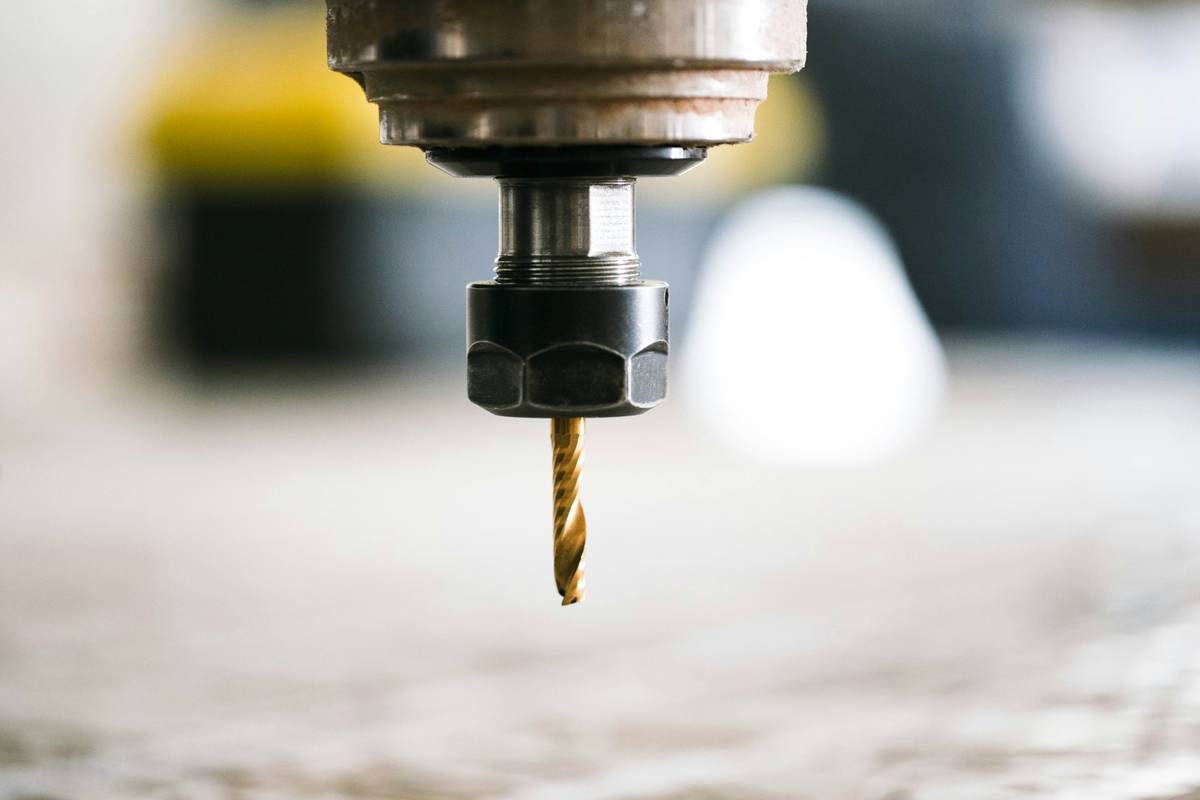
FAQs About Drill Bits for Case Hardened Steel
Can I use a cobalt drill bit on case hardened steel?
Only if it’s high-performance M42-grade cobalt (8–10% cobalt, TiAlN coated) and the hardened layer is thin (<0.030″). But success is inconsistent. For reliable results, choose carbide.
Is titanium-coated enough for hardened steel?
No. TiN or TiCN coatings improve lubricity but don’t increase core hardness. They’ll wear off instantly against 60+ HRC surfaces.
Do I need a special drill press?
You need low RPM (<300) and zero runout. A benchtop drill press with belt drive works. Avoid high-RPM hammer drills or impact drivers—they lack torque control and induce chatter.
How do I know if my steel is case hardened?
File test: a smooth file will skate off hardened surfaces but bite into mild steel. For certainty, use a portable Rockwell hardness tester (~$150 on Amazon).
Conclusion
Drilling case hardened steel isn’t impossible—it just demands respect for material science and the right tools. Ditch the HSS and generic “cobalt” bits. Invest in solid carbide, slow your RPM, flood with coolant, and drill with patience. Done right, you’ll punch clean holes without blowing your budget on sacrificial bits.
And remember: if it sounds like your laptop fan during a 4K render—whirrrr-screech-pop—you’re doing it wrong. Dial it back, cool it down, and let the carbide do its job.
Like a Tamagotchi, your drill bit needs daily care—if you want it to survive past Tuesday.
Dull steel yields
To sharp carbide, slow and sure—
Coolant flows like rain.