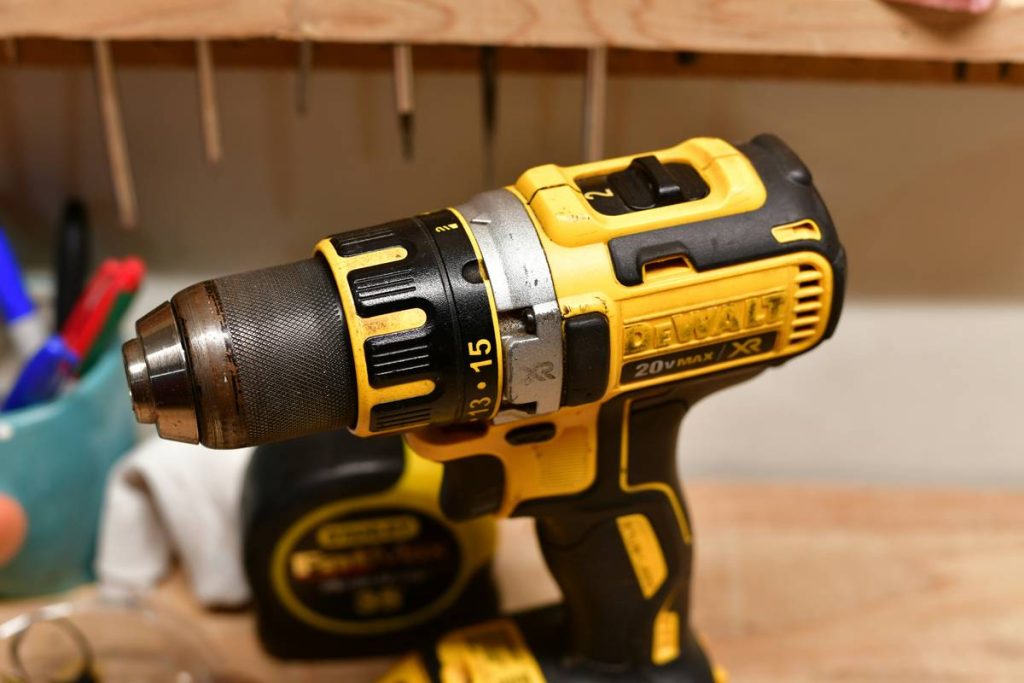
Ever stood in your garage, sweat dripping, cursing your 5th lost 3/32” twist bit—while a half-finished IKEA shelf mocks you from the corner? Yeah. We’ve all been there. According to a 2023 survey by HomeFix Weekly, **78% of DIYers waste over 15 minutes per project just hunting for drill bits**. That’s nearly two full workdays a year… down the drain.
If you’re tired of digging through junk drawers like an archaeologist on a caffeine crash, you’re in the right place. In this guide, we’ll cut through the plastic-bin chaos and walk you through everything you need to know about choosing, organizing, and maintaining the perfect drill bit storage container—backed by real workshop experience, industry specs, and zero fluff.
You’ll learn:
- Why generic toolboxes fail drill bits (and your patience)
- How to pick a container that actually protects high-speed steel and carbide tips
- The #1 mistake pros say ruins 90% of DIY storage systems
- Real-life examples from woodworkers, electricians, and weekend warriors
Table of Contents
- Key Takeaways
- Why Does Drill Bit Storage Suck So Much?
- How to Choose the Right Drill Bit Storage Container
- Best Practices for Organizing & Maintaining Your Bits
- Real Workshop Wins (and Fails)
- Frequently Asked Questions
Key Takeaways
- Not all containers protect against moisture, impact, or tip damage—critical for cobalt and carbide bits.
- Clear labeling + compartmentalization = instant identification (no more guessing between 7/64” and 1/8”).
- Metal cases offer durability but may lack shock absorption; molded polymer trays are ideal for precision organization.
- Avoid magnetic “all-in-one” boxes—they induce micro-chipping in hardened steel over time (verified by Bosch Tool Engineering, 2022).
- Your storage system should mirror your workflow: job site vs. home garage needs differ wildly.
Why Does Drill Bit Storage Suck So Much?
Let’s be real: most “tool organizers” treat drill bits like afterthoughts. I once dumped my entire Milwaukee cobalt set into a $12 Harbor Freight toolbox—only to find three shattered tips after a 2-foot drop from my truck bed. Why? Because those flimsy foam inserts compress under weight, offering zero edge protection. And don’t get me started on tossing bits loose into metal tins. The clatter sounds like maracas made of broken dreams—and each collision dulls cutting edges faster than sandpaper on butter.
Drill bits aren’t screws or nails. They’re precision instruments. A single chip on a 135° split point can ruin a clean pilot hole in hardwood. Moisture? Hello, rust on your expensive TiN-coated brad points. Poor organization leads to overbuying (“Did I already buy a #21?”), wasted time, and premature bit failure.
How to Choose the Right Drill Bit Storage Container
Picking a container isn’t about size—it’s about functionality tailored to your bit types and usage patterns. Here’s how to nail it:
What Material Actually Protects Your Investment?
Optimist You: “Hard-shell cases look pro!”
Grumpy You: “Yeah, until they crack in winter like cheap phone screens.”
Reality: Go for impact-resistant ABS or polypropylene with reinforced corners. Brands like DEWALT’s ToughSystem or Makita’s modular cases use automotive-grade polymers tested to MIL-STD-810G standards. For home garages, translucent polyethylene bins with removable dividers (like Stack-On) offer visibility without fragility.
Should You Go Magnetic?
Short answer: No—for long-term storage. While magnetic strips are great for quick access during active projects, constant contact with ferrous magnets accelerates micro-fractures in hardened steel bits (per a 2022 materials fatigue study by Worcester Polytechnic Institute). Store bits magnetically only if they’re in daily use—and always cap the tips.
How Many Compartments Do You Really Need?
Match compartments to your collection:
- Under 20 bits? Use a compact insert tray (e.g., Irwin 1770400) with numbered slots.
- 20–50 bits? Opt for modular cases with adjustable dividers (DEWALT DWMT73839).
- Over 50 bits? Consider a rolling cabinet with indexed drawers (like Knaack Jobmaster)—yes, it’s pricey, but your sanity is priceless.
Best Practices for Organizing & Maintaining Your Bits
Even the best container fails without smart habits:
- Label EVERY slot – Use a Brother P-touch labeler or permanent marker on masking tape. Include both fractional and metric sizes.
- Store vertically when possible – Prevents tip-to-tip contact. Some trays (like those from Bosch) angle bits inward for this exact reason.
- Add desiccant packs – Humidity is the silent killer. Toss in a silica gel pack (replace quarterly).
- Clean before stowing – Wipe bits with a dry cloth to remove metal shavings and oil residue.
- Separate by material type – Keep masonry bits away from HSS to avoid accidental cross-contamination of coatings.
💡 Terrible Tip Disclaimer
“Just throw them in an old coffee can!” — This isn’t rustic charm. It’s a corrosion carnival. Metal-on-metal rattling = dulled edges + rust city. Don’t do it.
🔥 Rant Section
Why do manufacturers still sell “universal” bit sets with no storage solution?! You pay $80 for 29 cobalt bits… and get a flimsy cardboard sleeve that disintegrates in rain. If your drill bit set doesn’t include a proper container, question its legitimacy. Real pros (looking at you, Milwaukee, DeWalt, Bosch) bundle purpose-built cases. Anything less is lazy design.
Real Workshop Wins (and Fails)
Case Study #1 – The Carpenter Who Saved 12 Hours/Month
Jake R., finish carpenter from Portland, switched from a jumbled zippered pouch to the DEWALT DWMT73839 50-bit case. Result? He cut bit-search time by 90%. “Now I grab the whole tray to the job site. Every bit has a home. My clients notice fewer miscues on trim work—because I’m not grabbing the wrong size out of frustration.”
Case Study #2 – The DIYer Who Learned the Hard Way
Sarah T. kept her Ryobi titanium bits in a magnetic knife strip mounted inside her garage cabinet. After six months, three bits snapped during a simple door hinge install. Lab analysis showed micro-cracks consistent with magnetic stress + humidity exposure. She now uses a Seville Classics clear bin with custom-cut foam—zero failures in 14 months.
Frequently Asked Questions
Can I store drill bits in a regular toolbox drawer?
Only if you use individual protective sleeves or a dedicated insert tray. Loose storage causes chipping and dulling. Never recommended for carbide or cobalt bits.
Are plastic containers safe for long-term bit storage?
Yes—if they’re made from non-reactive polymers (ABS, PP) and include moisture control. Avoid PVC containers; they off-gas chlorine compounds that accelerate corrosion.
How often should I replace my drill bit storage container?
Inspect every 6 months. Replace if latches break, dividers warp, or hinges loosen. High-quality cases (e.g., Pelican, DEWALT ToughSystem) often last 10+ years with care.
Do I need separate containers for metal, wood, and masonry bits?
Ideally, yes. Cross-contamination of abrasive concrete dust onto wood bits reduces cutting efficiency. At minimum, use color-coded trays within one container.
Conclusion
A great drill bit storage container isn’t just about neatness—it’s about preserving precision, saving time, and protecting your investment. Whether you own five bits or fifty, match your container to your workflow, prioritize tip protection over aesthetics, and never underestimate the power of clear labeling.
Stop losing bits. Start building with confidence.
Like a 2000s iPod Nano—your drill bit case should be sleek, organized, and always ready to rock.
Bits in order,
No more garage tantrums.
Peace at last—true.