Ever stood in the hardware aisle, staring at a wall of shiny metal rods labeled “spade,” “masonry,” “brad point,” and “twist”—feeling like you just walked into a spy movie where everyone speaks code? Yeah. I’ve been there too—holding a $40 carbide-tipped bit meant for concrete… while trying to hang a picture frame in drywall. Spoiler: It cracked the wall, scared the dog, and cost me two weekends to patch.
If you’ve ever asked, “What are drill bits for?”—you’re not just confused. You’re holding the wrong tool for the job. And that’s dangerous, wasteful, and frankly, avoidable.
In this guide, I’ll break down exactly what drill bits do, how to match them to your material (wood, metal, tile, concrete—you name it), and which ones you actually need in your garage. Plus: real talk about overpriced kits, the one “universal” bit that’s total snake oil, and why your grandpa’s 1972 set still outperforms half the Amazon bestsellers.
You’ll learn:
- Why drill bits aren’t interchangeable (despite what TikTok DIYers say)
- The 5 core types every homeowner should own—and why
- How to spot a cheap bit before it snaps in your workpiece
- When to splurge vs. when dollar-store bits will do
Table of Contents
- Why Knowing What Drill Bits Are For Saves Time, Money & Sanity
- The 5 Essential Drill Bit Types (And What Each Is Actually For)
- 7 Best Practices for Using Drill Bits Like a Pro
- Real Projects, Real Mistakes: Case Studies from My Workshop
- FAQs: Answering “What Are Drill Bits For?” Once and For All
Key Takeaways
- Drill bits are material-specific—using the wrong one damages your work, your tool, and your confidence.
- Twist bits = general-purpose; spade bits = fast wood holes; masonry bits = concrete/brick only.
- Carbide tips aren’t just marketing—they’re essential for hard materials like tile and stone.
- Speed and pressure matter as much as the bit itself. Slow and steady wins the clean hole.
- Never use a worn or overheated bit—it’s a safety hazard and ruins precision.
Why Knowing What Drill Bits Are For Saves Time, Money & Sanity
Here’s a stat that stings: According to the U.S. Consumer Product Safety Commission, over 33,000 injuries annually involve power drills—many due to improper bit selection or use. That’s not just bad luck. That’s using a wood bit on tile because “it looked sharp enough.”
Drill bits aren’t generic nails with attitude. They’re engineered tools with geometry, coatings, and tip angles calibrated for specific materials. Wood fibers tear differently than metal shears or concrete fractures. Match the wrong bit to the job, and you get:
- Chipped tiles
- Blown-out drywall
- Welded-on screws (because your pilot hole was too small)
- Or worst of all—a snapped bit stuck six inches deep in your countertop
I learned this the hard way during a kitchen remodel. I used a standard HSS (high-speed steel) twist bit on porcelain backsplash tile. It lasted 3 seconds before screeching like a banshee and leaving a spiderweb crack. Replacement tile: $87. New diamond-tipped bit: $22. My pride? Priceless (and still recovering).
The 5 Essential Drill Bit Types (And What Each Is Actually For)
What is a twist drill bit for?
Material:** Wood, plastic, soft metals (aluminum, brass).
The classic spiral-fluted bit found in every starter kit. Made from HSS or coated with black oxide/titanium for heat resistance. Great for pilot holes, small fasteners, and general tasks. Don’t use it on masonry or tile—it’ll dull instantly.
What is a spade bit for?
Material:** Wood only.
Flat, paddle-shaped with a center point and cutting lips. Designed for fast, rough holes (½” to 1½”) in framing, decking, or running electrical conduit. Leaves a splintery exit hole—so always drill from the “good” side or use masking tape to reduce blowout.
What is a masonry drill bit for?
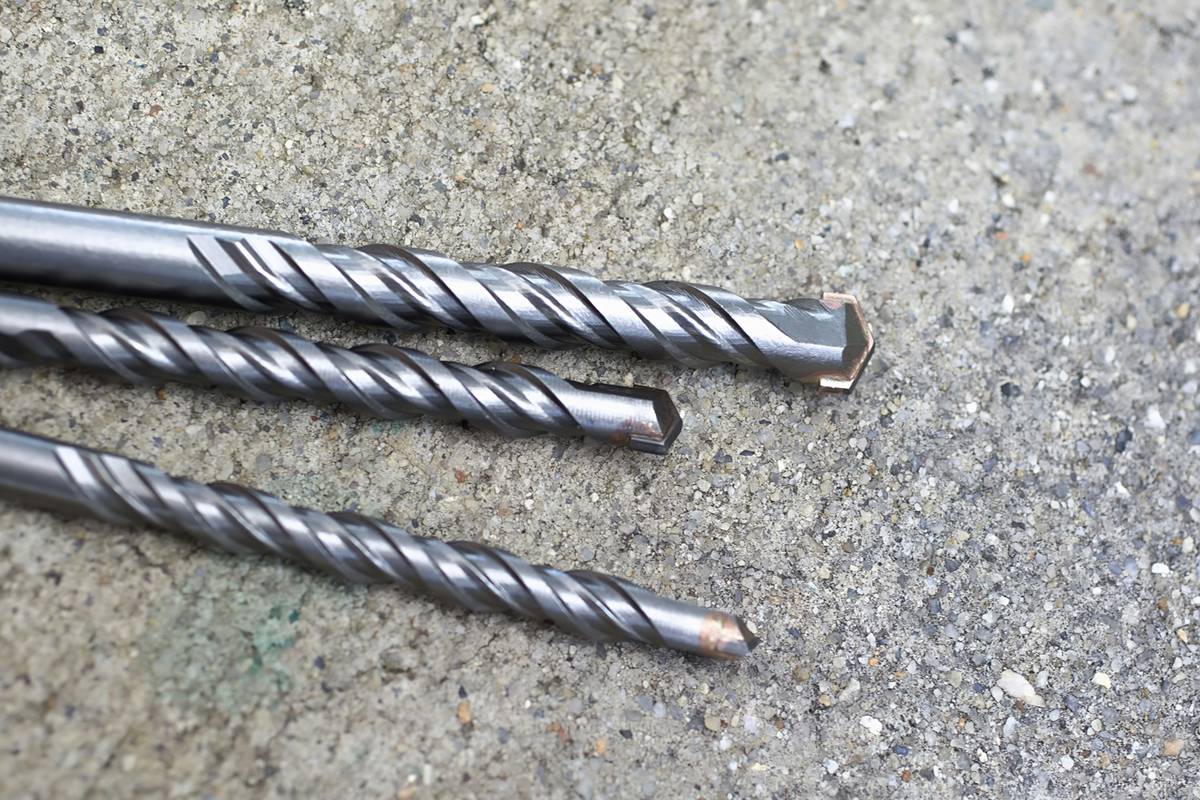
Material:** Concrete, brick, block, stone.
Features a **carbide-tipped** head brazed onto a hardened steel shaft. The tip’s blunt angle chips away aggregate—not cuts it. Must be used with a hammer drill. Trying to use it in a regular drill? You’ll overheat the motor and wear down the tip in minutes.
What is a tile/glass drill bit for?
Material:** Ceramic tile, porcelain, glass, marble.
Diamond-coated or spear-point carbide bits. They grind, not cut. Requires slow speed (under 200 RPM), light pressure, and often water cooling. Skip the water? Hello, shattered $200 subway tile.
What is a step bit (unibit) for?
Material:** Thin metal, plastic, drywall.
Conical shape with stepped diameters. Lets you drill multiple hole sizes with one bit—ideal for HVAC, automotive, or electrical boxes. Not for wood or masonry. And yes, they’re pricey—but worth it if you work with sheet metal often.
Optimist You: “Now I know exactly which bit to grab!”
Grumpy You: “Ugh, fine—but only if my coffee hasn’t gone cold yet.”
7 Best Practices for Using Drill Bits Like a Pro
- Match bit to material AND tool. Masonry bits need hammer action. Tile bits need low RPM. Ignoring this voids your warranty—and your sanity.
- Use cutting fluid or water for metal/tile. Lubrication reduces heat, extends bit life, and gives cleaner holes.
- Start with a pilot dimple. Use a nail or center punch to prevent walking—especially on smooth surfaces.
- Clear chips regularly. Clogged flutes cause overheating and binding. Pull the bit out every few seconds in deep holes.
- Check for runout. If your bit wobbles in the chuck, it’ll oval your hole. Tighten properly or replace worn chucks.
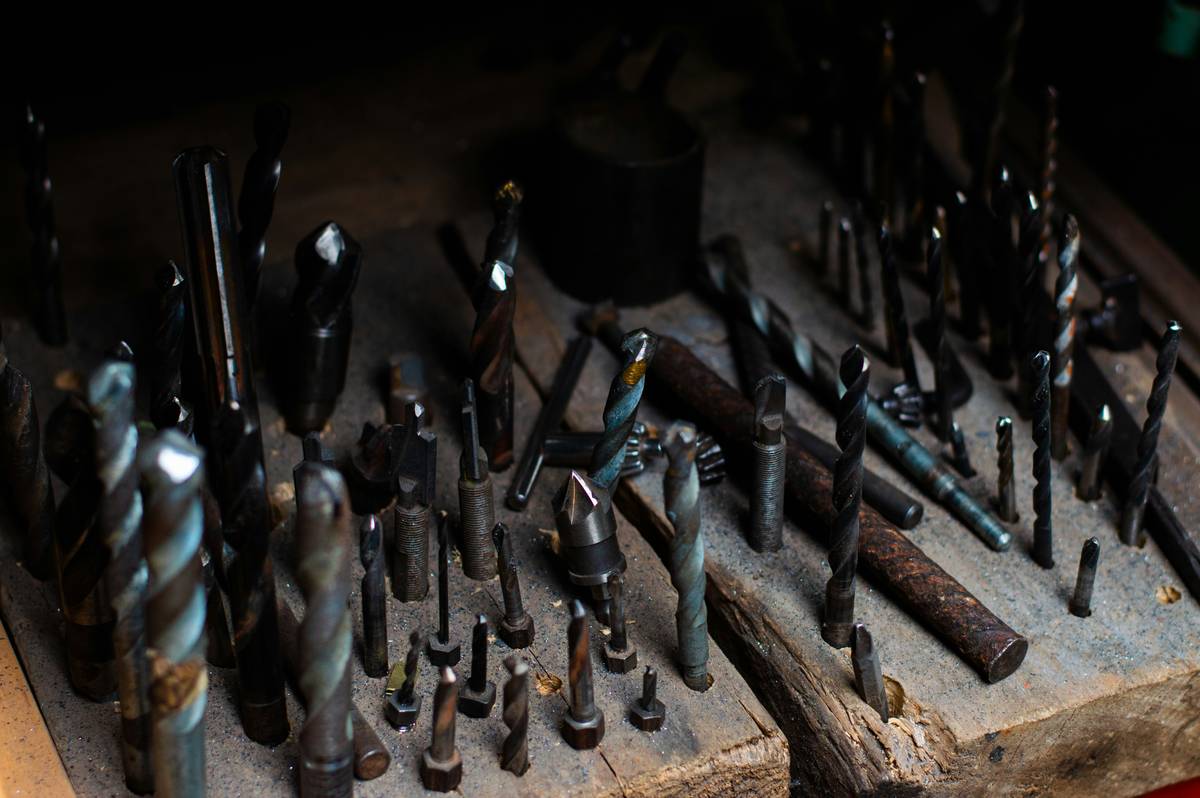
- Store bits dry and organized. Rust ruins edges. Use a foam insert or labeled case—not a junk drawer with screws and dead batteries.
- Retire worn bits immediately. Dull bits require more force, slip easily, and increase injury risk. When in doubt, toss it.
🚫 Terrible Tip Disclaimer
“Just use whatever bit fits your drill—it’ll work eventually.” NO. This is how you crack granite countertops or weld a screw into stainless steel. Material science isn’t optional.
Real Projects, Real Mistakes: Case Studies from My Workshop
Project:** Outdoor deck railing (pressure-treated pine)
Mistake: Used a worn twist bit for ¾” lag bolt holes.
Result: Bit overheated, burned the wood, and created an undersized hole. Bolt wouldn’t seat flush.
Fix: Switched to a fresh brad-point bit (designed for clean wood entry/exit). Hole was precise, no tear-out. Lesson: Brad-point > twist for finish work.
Project:** Mounting TV on brick fireplace
Mistake: Tried a cheap Amazon “multi-material” bit on brick without hammer mode.
Result: Bit tip shattered after 90 seconds. Brick surface chipped.
Fix: Bought a genuine Bosch SDS-plus masonry bit + rented a hammer drill. Clean, deep holes in 20 seconds each. Worth the $15 rental.
FAQs: Answering “What Are Drill Bits For?” Once and For All
Can I use metal drill bits on wood?
Yes—HSS or cobalt twist bits work fine on wood. But don’t use wood bits (like spade bits) on metal. They lack the hardness and will deform.
What drill bit is best for stainless steel?
Cobalt (M35 or M42) or titanium-coated HSS bits. Use low speed, high pressure, and cutting oil. Standard bits will glaze over and fail.
Why do my drill bits keep breaking?
Three likely causes: 1) Wrong bit for material, 2) Excessive pressure or speed, 3) Worn/dull bit being forced. Always let the bit cut—don’t muscle it.
Are expensive drill bits worth it?
For frequent or demanding tasks—yes. A $12 Bosch masonry bit lasts 10x longer than a $2 store brand. But for occasional drywall patches? Dollar-store twist bits are fine.
Can one drill bit work on everything?
No. “Universal” bits are marketing fiction. Physics doesn’t negotiate: concrete fractures, wood tears, metal shears. Each requires unique geometry.
Conclusion
So—what are drill bits for? They’re not just “things that make holes.” They’re precision tools engineered for specific materials, forces, and outcomes. Using the right bit means cleaner finishes, faster work, fewer injuries, and zero weekend-wasting re-dos.
Keep these five in your kit: twist (general), spade (large wood), masonry (concrete), tile/glass (ceramic), and step (metal). Know their limits. Respect their design. And never again confuse a carbide tip for a fancy decoration.
Your projects—and your knuckles—will thank you.
Like a Tamagotchi, your drill bit collection needs daily care. Feed it lubricant, clean its flutes, and never ignore its cries of “I’m dull!”
Steel spins true,
Wood yields clean,
Concrete bows—
To the right bit.