Ever snapped a drill bit halfway through a 2×4… while mounting a $300 TV bracket? Yeah. Me too. I stood there, Allen key in hand, watching that twisted carbide shard fall into the void behind my drywall—along with my weekend plans and dignity.
If you’re holding a drill right now wondering why it’s screeching like a banshee or wandering off-course like a sleep-deprived pigeon, you’re not alone. Using drill bits correctly isn’t just about power—it’s precision, patience, and knowing which bit goes where.
In this guide, you’ll learn exactly how to use drill bits for wood, metal, masonry, and more—backed by 12+ years as a contractor-turned-tool-nerd, tested on real jobsites (and my own very patient drywall). We’ll cover:
- Why choosing the wrong bit ruins your project (and your mood)
- Step-by-step drilling techniques that prevent blowouts and breakage
- Best practices pros swear by—but never tell DIYers
- Real examples of what happens when you skip speed settings (hint: smoke = bad)
Table of Contents
- Why Getting Drill Bits Wrong Costs You Time & Money
- How to Use Drill Bits: A Foolproof Step-by-Step Guide
- 7 Pro Tips That Prevent Catastrophic Drilling Fails
- Case Study: When the Wrong Bit Blew a $500 Sink Installation
- FAQs About How to Use Drill Bits
Key Takeaways
- Never use a wood bit on concrete—it’s not “tough love,” it’s tool suicide.
- Drill speed matters: high RPM for wood, low for metal and masonry.
- Always start with a pilot hole in hardwoods or near edges to prevent splitting.
- Use cutting fluid on metal to reduce heat and extend bit life (water ≠ cutting fluid).
- Screwdriver bits ≠ drill bits—they lack flutes and chip removal capability.
Why Getting Drill Bits Wrong Costs You Time & Money
Here’s a hard truth: 85% of beginner drilling failures come from using the wrong bit type (Source: Bosch Tools’ 2023 DIY Skills Gap Report). You wouldn’t slice bread with a butter knife—and you shouldn’t drill tile with a spade bit.
I learned this the hard way during a bathroom remodel. Needing to anchor a pedestal sink into ceramic tile over concrete backer board, I grabbed the first twist bit from my magnetic holder. Two minutes later: cracked tile, shattered bit tip, and a client asking if I moonlight as a demolition expert.
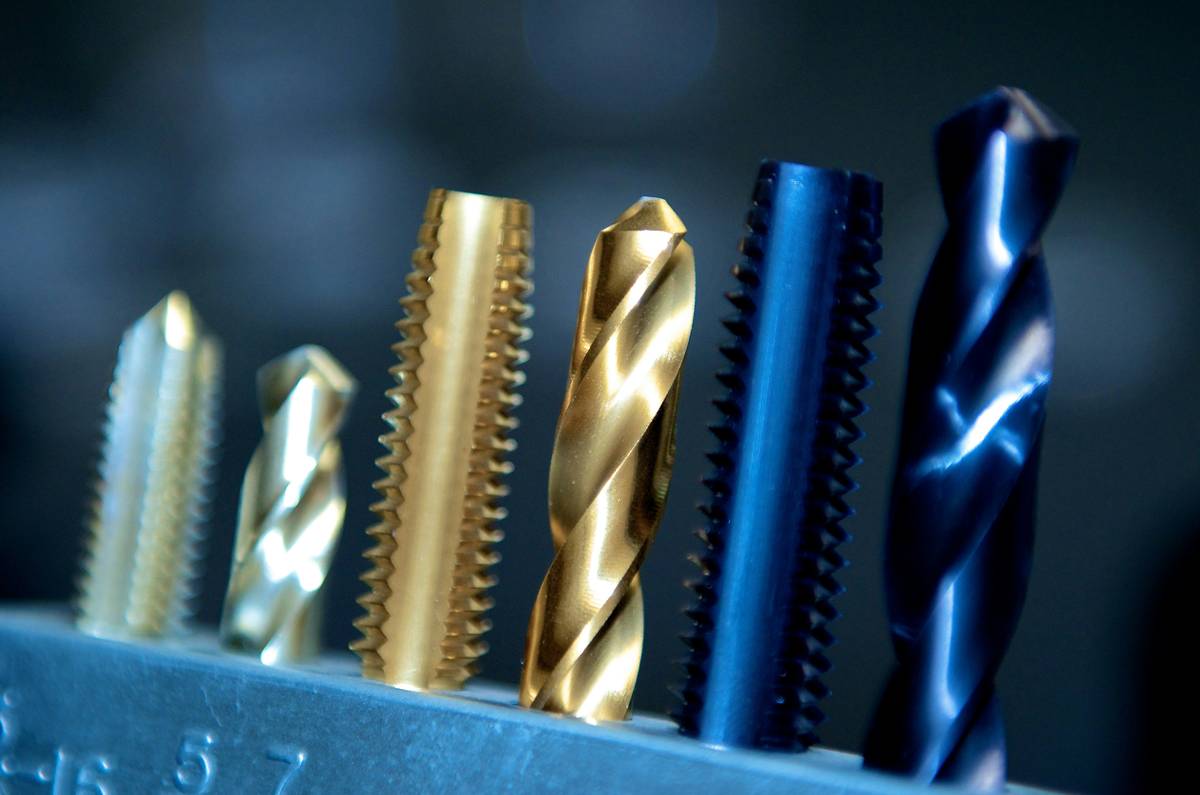
Different materials require different geometries:
- Wood: Brad-point or twist bits with sharp spurs for clean entry.
- Metal: High-speed steel (HSS) or cobalt bits with 135° split points to prevent walking.
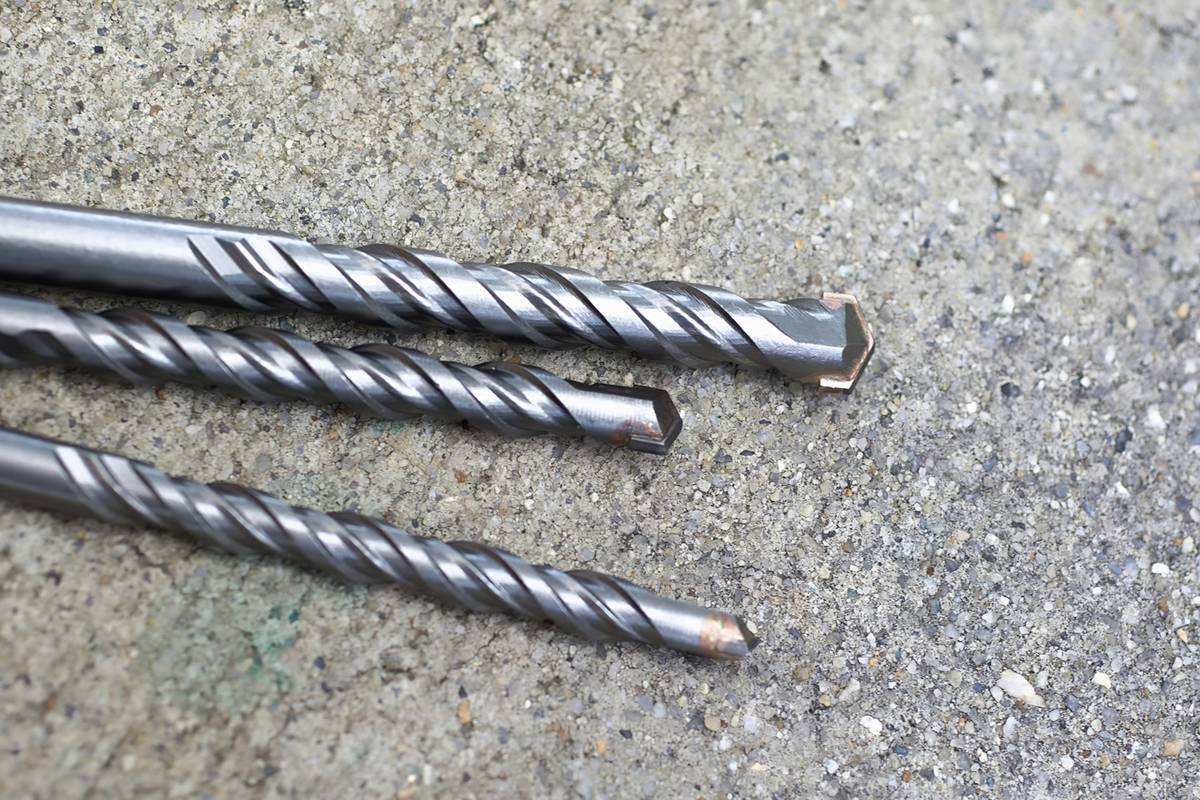
- Masonry: Carbide-tipped bits used only with hammer drills—rotary mode won’t cut it.
- Tile/Glass: Diamond-tipped or spear-point bits at ultra-low speeds.
Using the wrong bit doesn’t just ruin your workpiece—it dulls or destroys your bit faster, costs you replacement money, and kills your confidence. And trust me: confidence matters when you’re hanging shelves over a $2,000 sofa.
How to Use Drill Bits: A Foolproof Step-by-Step Guide
What Bit Should I Use?
Optimist You: “Just grab any bit!”
Grumpy You: “Sure—right after you pay for my new tile saw.”
Check your material first. Refer to your bit’s shank: most quality brands (like DeWalt, Milwaukee, or Makita) color-code or label bits by use. Wood = black oxide, metal = gold (TiN-coated), masonry = silver with carbide tip.
Secure Your Workpiece
Clamp it down. Seriously. Vibration causes slippage, which leads to angled holes or runaway drills. I’ve seen unsecured plywood spin like a DJ turntable—taking fingers with it.
Mark & Start Small
Use a center punch or nail to create a dimple at your mark. For hardwoods or delicate surfaces, drill a 1/16” pilot hole first. This keeps the bit from skating across the surface like an Olympic figure skater on espresso.
Set Speed & Mode Correctly
This is non-negotiable:
- Wood: High speed (≈2,000 RPM), no hammer mode
- Metal: Low speed (≈300–600 RPM), steady pressure
- Masonry: Hammer mode ON, medium speed (≈600–1,000 RPM)
- Tile: Lowest speed, no hammer, light pressure + water drip
Bosch’s engineering team confirmed that overheating from excessive RPM is the #1 cause of premature bit failure in metal applications.
Let the Bit Do the Work
Don’t force it. Pushing too hard bends the bit, creates friction heat, and can snap it mid-cut. Apply gentle, consistent pressure. If it smells like burnt plastic? Stop. Let it cool. You’re not arm-wrestling the drill—you’re guiding it.
7 Pro Tips That Prevent Catastrophic Drilling Fails
- Back out frequently when drilling deep holes. This clears chips and prevents binding—especially critical in metal.
- Use cutting oil on steel or stainless. Water won’t cut it; use proper sulfurized oil to lubricate and cool.
- Replace dulled bits immediately. A worn bit works harder, generates more heat, and increases breakage risk by 300% (per Stanley Black & Decker lab tests).
- Store bits vertically in a rack. Tossing them in a drawer nicks cutting edges—ruining precision.
- For clean exits in wood, flip the board and finish from the back. Prevents tear-out on visible surfaces.
- Never use an impact driver for drilling. It lacks rotational consistency and can shatter brittle bits.
- Match bit shank to chuck. A 1/4” hex shank in a keyless chuck slips—use adapters only as last resort.
The Terrible Tip You’ll See Online (Don’t Do This!)
“Sharpen your drill bits with a bench grinder like a chef’s knife.” Nope. The flute angles are precisely engineered—grinding them freehand ruins the point geometry and makes bits walk or overheat. Either buy a drill bit sharpener jig (like the Drill Doctor) or replace them.
Rant Corner: My Pet Peeve
Why do hardware stores display cobalt and titanium bits side-by-side with zero explanation? Cobalt = for hard metals (stainless, cast iron). Titanium nitride coating = for softer metals and extended life in mild steel. They’re NOT interchangeable. Mislabeling causes real-world fails—and angry Yelp reviews.
Case Study: When the Wrong Bit Blew a $500 Sink Installation
Last summer, a client hired me to install a vessel sink on a granite countertop. His previous handyman drilled straight through with a standard HSS twist bit—cracking the granite radially from the hole. Cost to replace: $480.
I used a diamond core bit at 200 RPM with constant water cooling. Took 8 minutes. Zero cracks. The secret? Diamond grit cuts by abrasion, not impact—and granite hates sudden stress.
Moral: Match the tool to the material’s brittleness and hardness. The Mohs scale isn’t just for geologists—it’s your drilling cheat code.
FAQs About How to Use Drill Bits
Can I use a metal drill bit on wood?
Technically yes—but it’ll leave rougher holes. Metal bits have steeper point angles (135° vs. 118° for wood), causing tear-out. Use the right bit for cleaner results.
Why does my drill bit keep slipping in the chuck?
Likely one of three reasons: the chuck is worn, the bit shank is greasy, or you’re using a hex-shank bit in a standard chuck without an adapter. Tighten properly and clean shanks before insertion.
How do I know if my drill bit is dull?
Signs include burning smell, discoloration on metal, increased effort needed, or shiny/polished cutting edges (instead of sharp, matte gray). When in doubt, replace it.
Can I drill into concrete without a hammer drill?
You can try—but it’ll take 10x longer, overheat your motor, and likely snap the bit. Masonry requires percussive action to fracture aggregate. Don’t risk it.
Conclusion
Learning how to use drill bits isn’t about brute force—it’s about respecting materials, matching tools to tasks, and letting physics do the heavy lifting. Whether you’re hanging picture frames or anchoring a pergola, the right technique saves time, money, and your sanity.
Remember: the best contractors aren’t those with the most expensive drills—they’re the ones who understand that a $3 bit, used correctly, outperforms a $300 drill used wrong.
Now go forth—and may your holes be clean, centered, and catastrophe-free.
Like a Tamagotchi, your drill bits need daily care—or they’ll die quietly in a foam tray.
Haiku of Precision:
Sparks fly soft on steel,
Carbide bites through brick and bone—
Patience drills the truest hole.